— Roy Vickery's Checklist of Plants of Wandsworth Common — a full, up-to-date species list, published here with his permission.
— Sugar-beet /Mangold wurzles.
NB I have since learnt that they may have been art of a (short-lived) roject to grow sugar beet in the area to feed a sugar factory by the Thames near the Wandsworth/Battersea border.
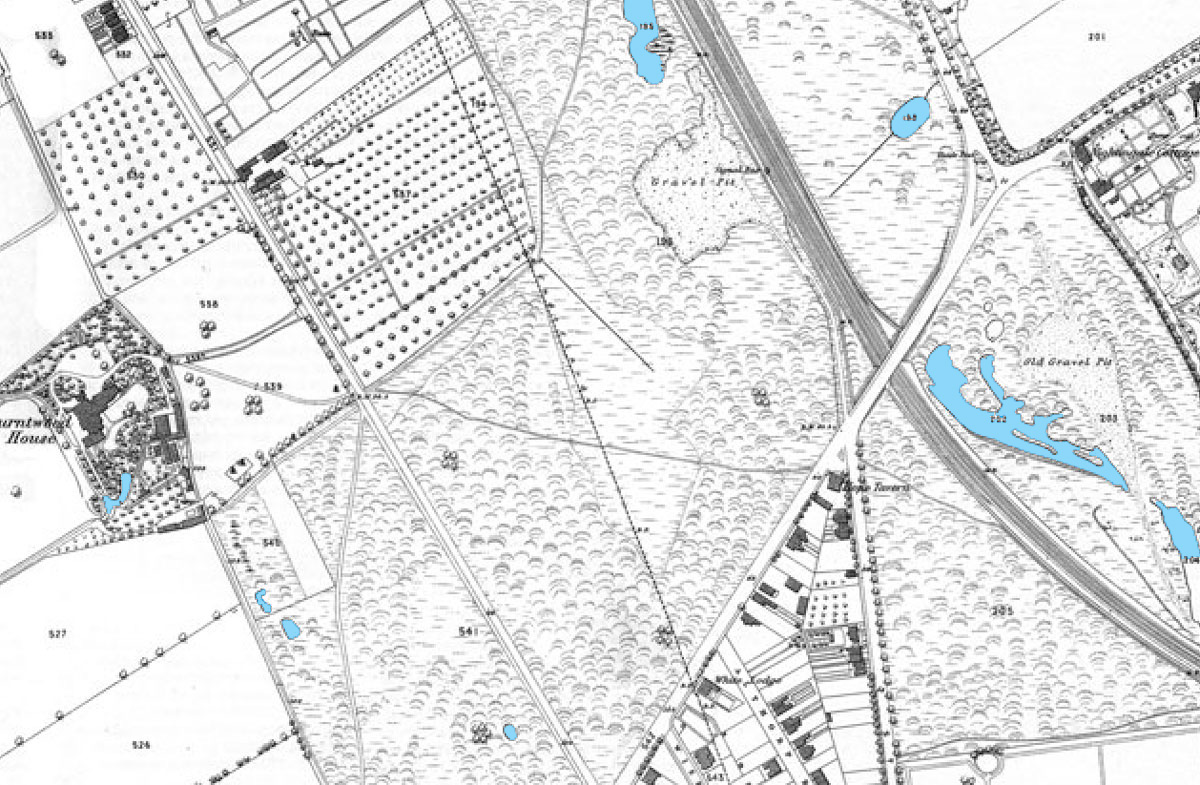
Wandsworth Common was once famous for its deep covering of furze (gorse), bracken and ling (heather). Nineteenth-century Ordnance Survey maps show furze all over (Edward Thomas writes about this) but by the mid-C20 it was almost entirely confined to "the Scope" (probably a recent name — in the 1950s and 1960s we knew it as Bushy Common). Furze fires were common (and very intense). But there's very little of it left now that silver birch, scrubby oak and brambles have taken over.
Peat cutting [refs?] and gravel workings had created ponds everywhere. But the deep railway cuttings that crossed the heath also thoroughly drained it. (There are also a network of drainage pipes.) Much of the surface has been levelled and planted with lawn grasses. The tussock grass that were once common in wet areas is now confined to small patches, kept going [by Enable? volunteers from the NatureScope? The Council?]
In the early C19 its relative wildness and proximity to London made it a favoured haunt for amateur plant hunters ("Phytologists", the equivalent of today's bird-twitchers) but by mid-century the eminent botanist Alexander Irvine wrote regretfully that "Nothing out of the common is to be found here now, but formerly its speciality was Stratiotes aloides".
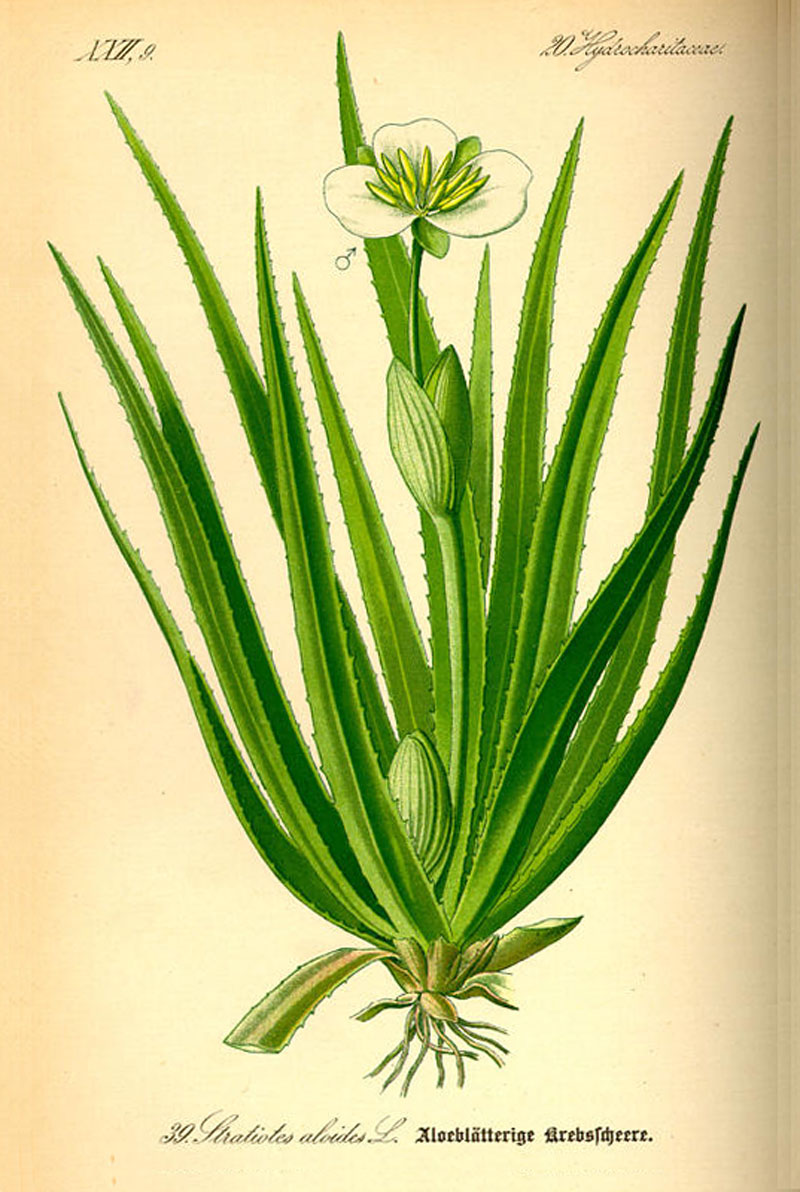
The earliest reference to Wandsworth Common in a botanical context!
Roy Vickery: "the earliest record for Erica tetralix, cross-leaved heath in Surrey is 'Wandsworth, on the Common', in Thomas Martyn, Plantae Cantabrigiensis: Or a Catalogue of the Plants Which Grow Wild in the Country of Cambridge, Disposed According to the System of Linnaeus, 1763, p.440.
I must try to find this book. I wonder if there are any other refs. to Wandsworth or Battersea?
[Wikipedia: Thomas Martyn.]
Martyn, professor of Botany at Cambridge, was educated at Chelsea, so doubtless knew the Common well.
[This was once the earliest ref. to WC, now bettered by T Martyn!]
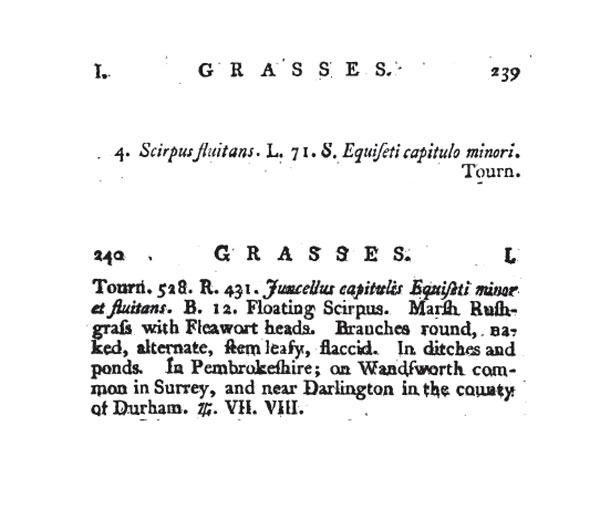
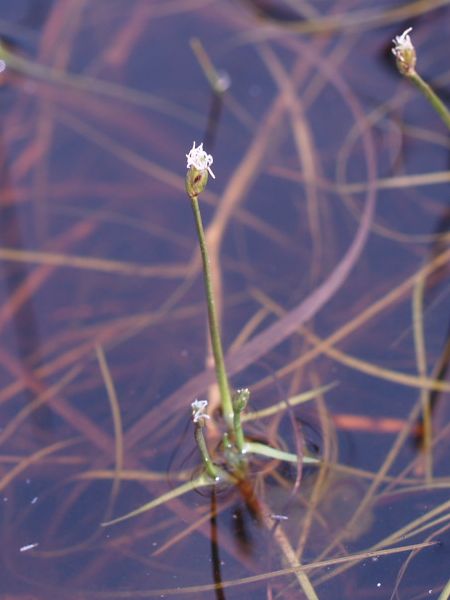
[Google Books: The British Flora.]
Stephen-Robson-The-British-Flora-1777.pdf
[ADD NOTES ABOUT PLANTS FOUND IN WANDSWORTH ("W. Ponds", "W. Field", "W. River" .]
[PB, August 2022: I am very grateful to Roy Vickery for alerting me to this work.]
[ADD NOTES — I'm sure I've written myself a note somewhere to effect Pamplin moved from Chelsea to Lavender Hill — opened Lavender Hill Nursery — Ray Desmond has written a biography somewhere — Edward Marston mentions (in appendix to After Work) a v old W Pamplin who published botanical books - WP published "HOOKER, J. D., & THOMSON, T., 1855 Flora indica: being a systematic account of the plants of British India. London: W. Pamplin" [ref. in Richard Axelby, "Calcutta Botanic gardens . . . "] - the 13LD Charger James Pamplin was born in Bottisham, and was known to Soame Gambier Jenyns - so presumably the rest of the Jenyns family - any relation?]
[PB: I think Ray Desmond says William Pamplin bought The Phytologist journal from Irvine, and wrote quite a lot of it. Be careful not to confuse father and son, both William. The author of the Catalogue is clearly the father, d.1844 at Lavender Hill, where he was a nurseryman.]
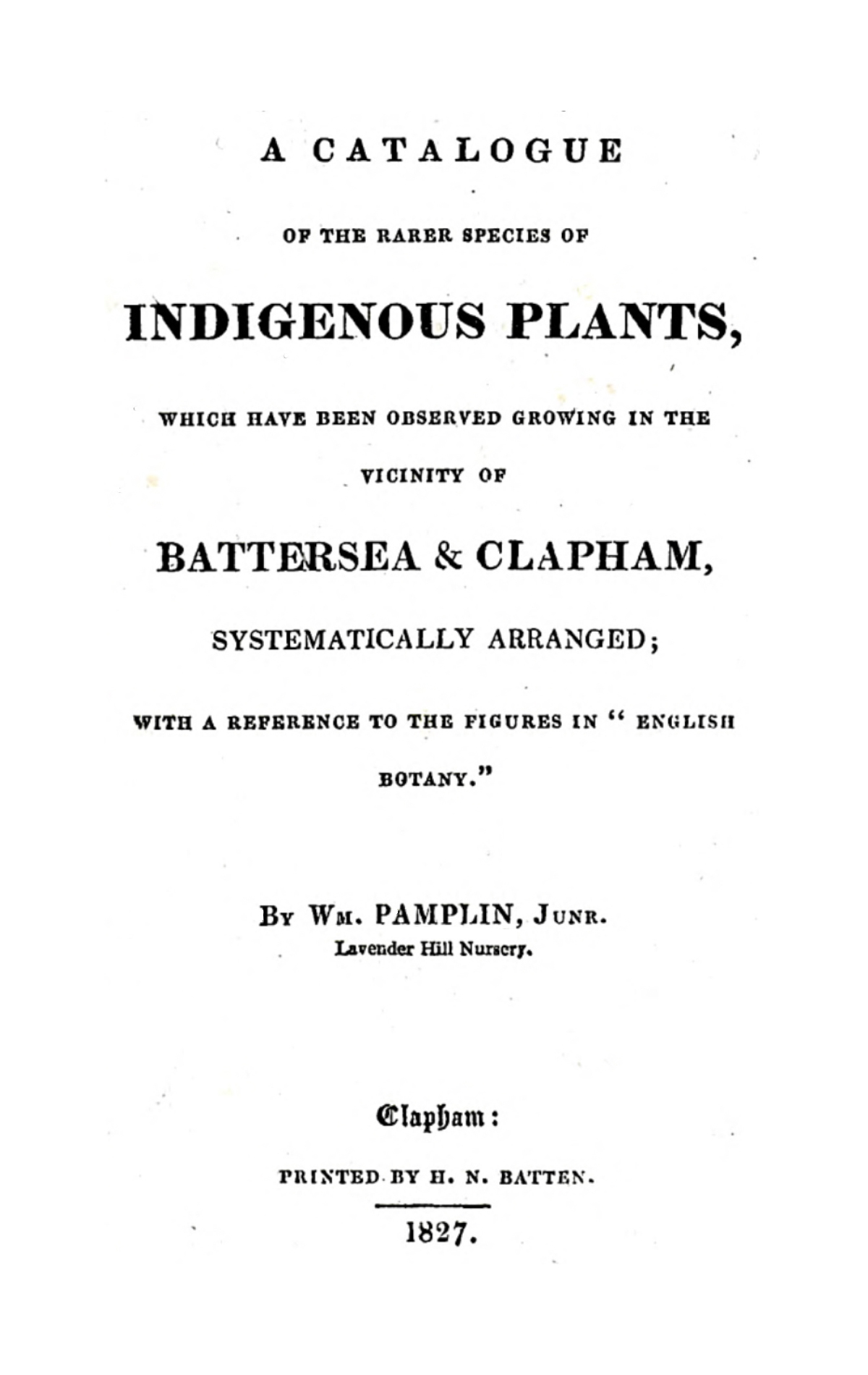
[Pamplin Papers - archive collection at Bangor University]
William Pamplin (1806-1899) was a botanist, botanical publisher, bookseller and agent for exchange and distribution of seeds, plants and herbarium specimens, was a central figure among nineteenth-century botanists. Born in Chelsea, the son of a nurseryman, Pamplin had a lifelong interest in plants. In 1827 he published a 'Catalogue of the rarer indigenous plants of Battersea and Clapham' and in 1830, while still an assistant at his father's nursery he was elected a member of the Linnean Society. His acquaintance with continental botanists was largely due to his connection with John Hunnemann whose Soho bookselling business he took over and whose daughter, Caroline, became his first wife.
In 1854 Pamplin became owner of The Phytologist, having bought the title from Edward Newman, and installed his long-time field companion, Alexander Irvine, as editor . . . .
Pamplin made botanical tours in Perthshire, 1856, and North Wales, 1854, with Alexander Irvine and again in North Wales with Thomas Shearman Ralph in 1856 and 1857. In 1862 Pamplin settled in Llandderfel, Meirionethshire (now Gwynedd), where he formed a herbarium of plants of the district, part of which is now in the Department of Plant Sciences, Oxford University, and attempted to establish a Central Botanical Garden for North Wales. Pamplin died in Llandderfel in 1899.
[etc etc]
[Source: Link.]
William Pamplin: Nurseryman of Lavender Hill, by Thomas Rutter.
The full article 'William Pamplin: Nurseryman of Lavender Hill' appeared in The London Gardener journal (v26). [Looks v good.]
[Source: Link.]
Many descriptions and fine illustrations of plants found in London, but no locations or other references to Wandsworth.
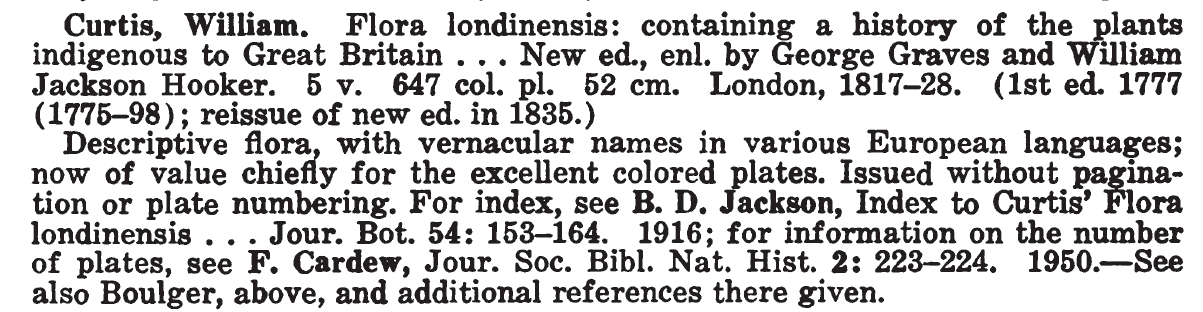
PB: I have a pdf of Curtis's Flora Londinensis, date?.
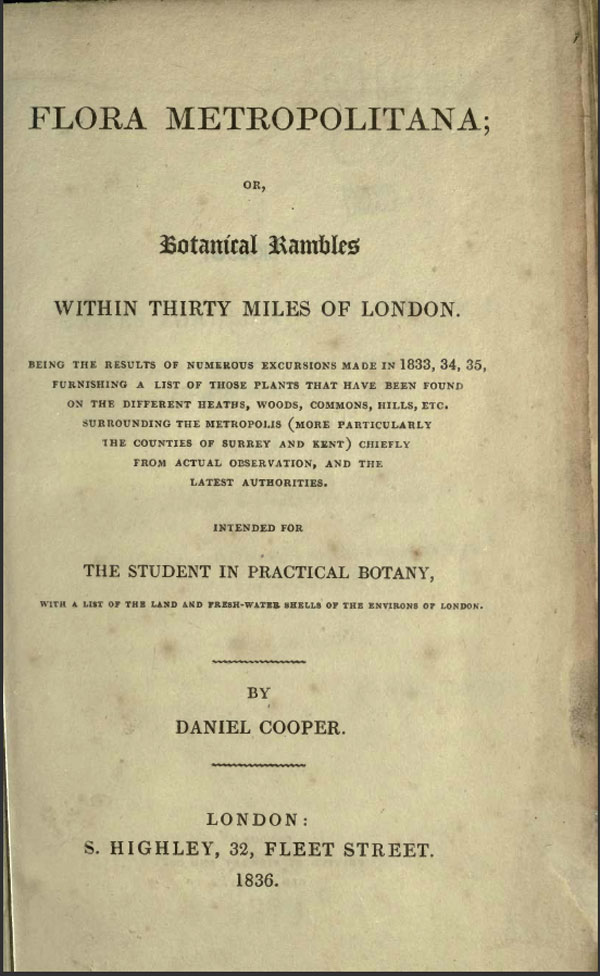
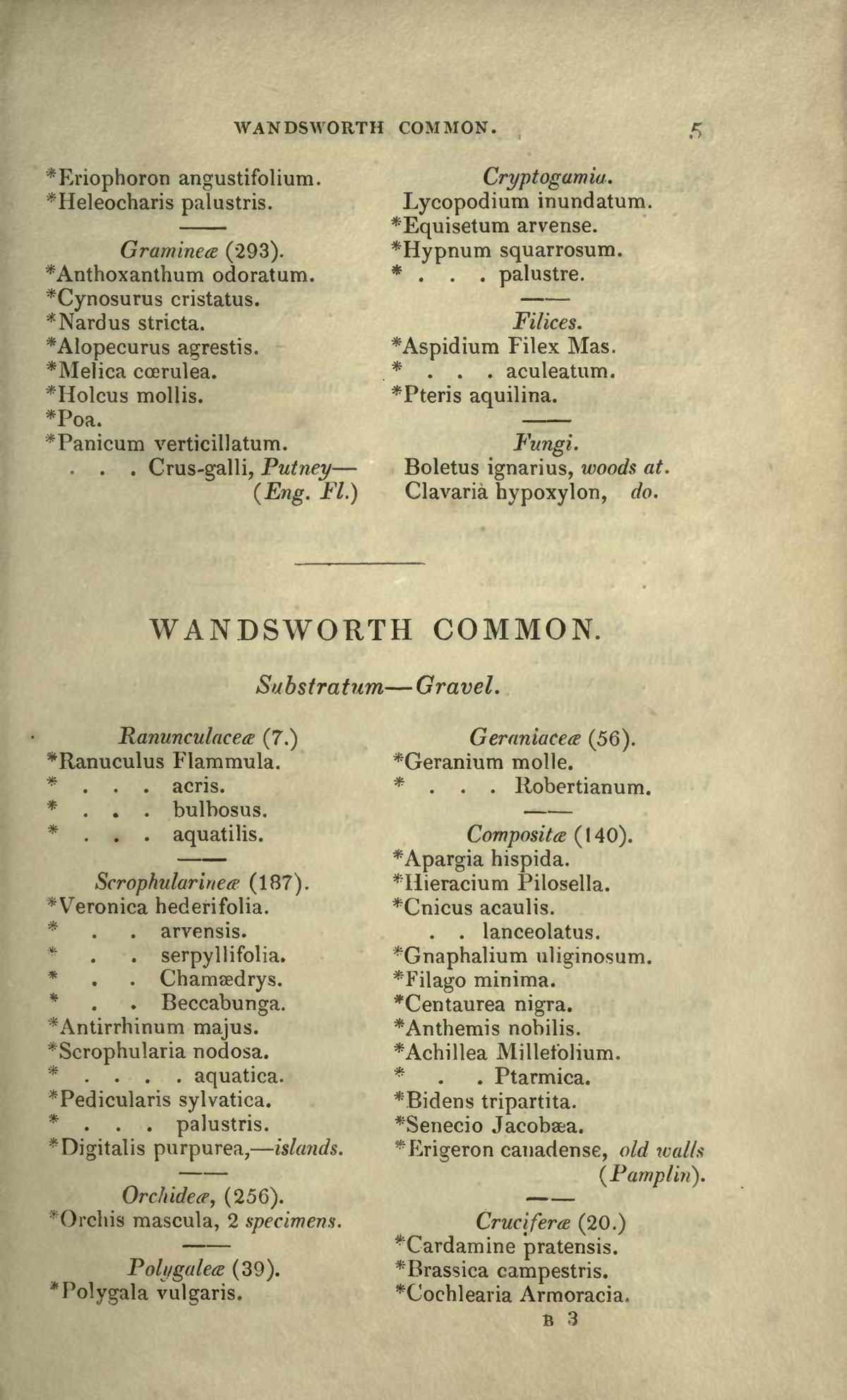
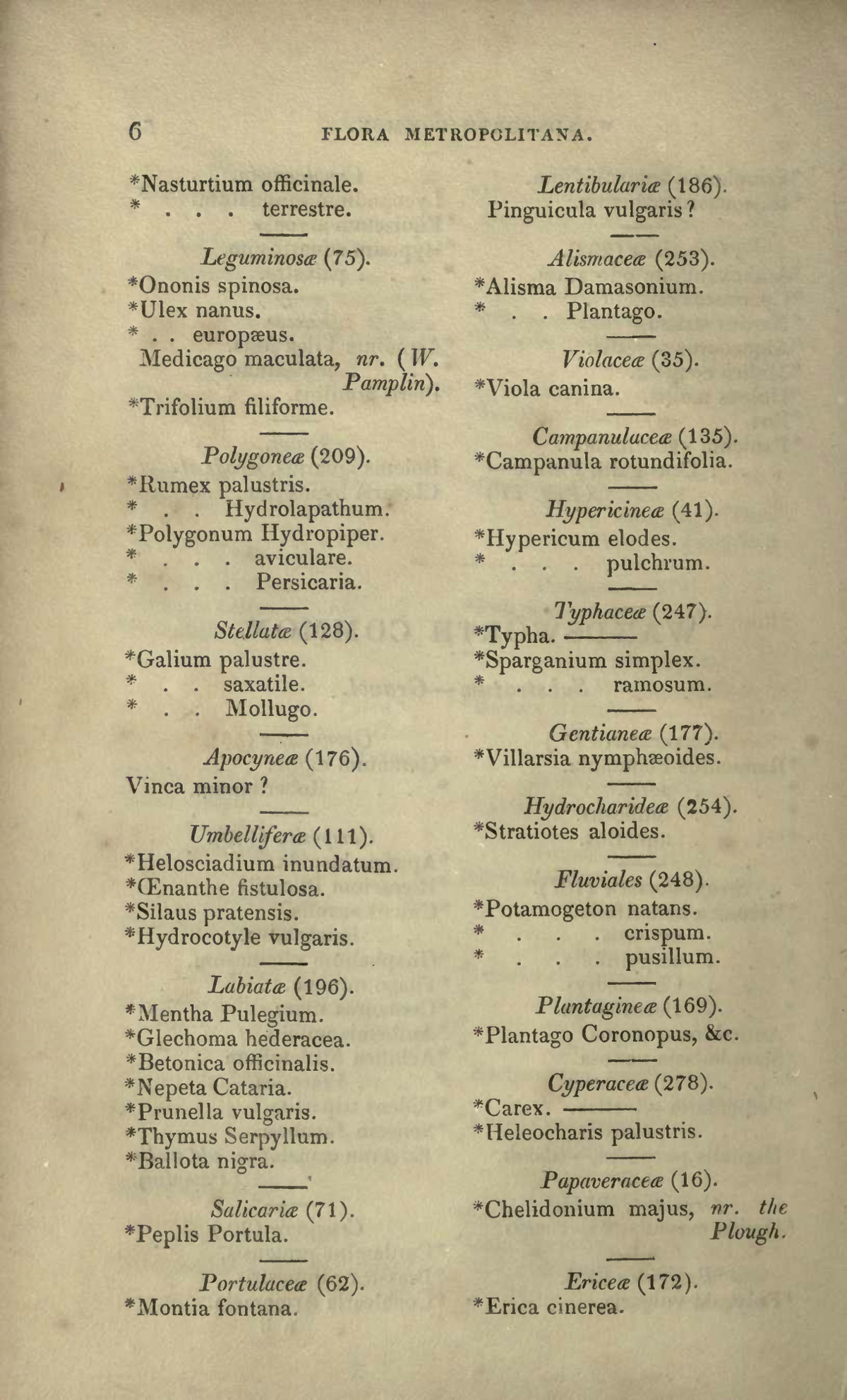
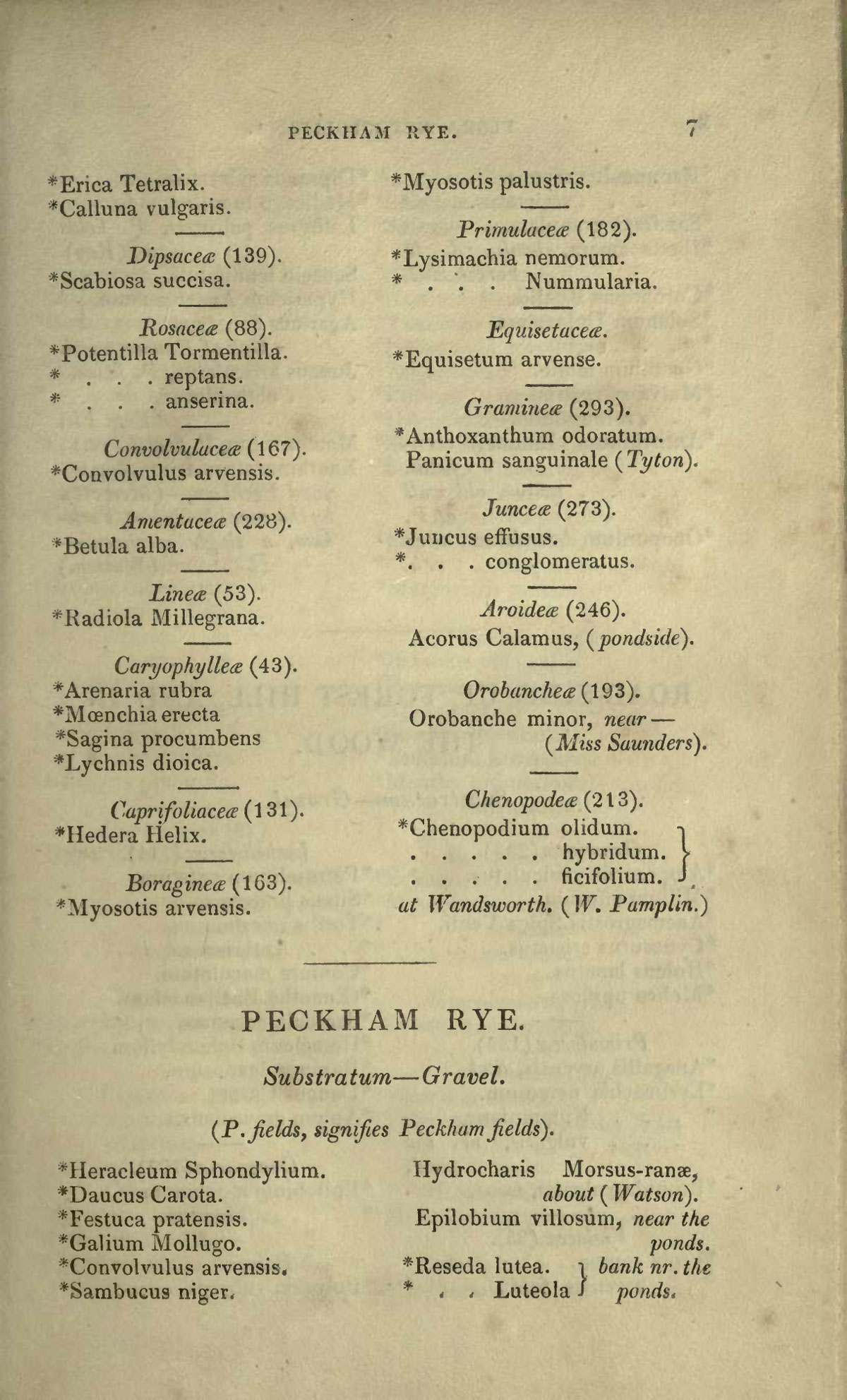
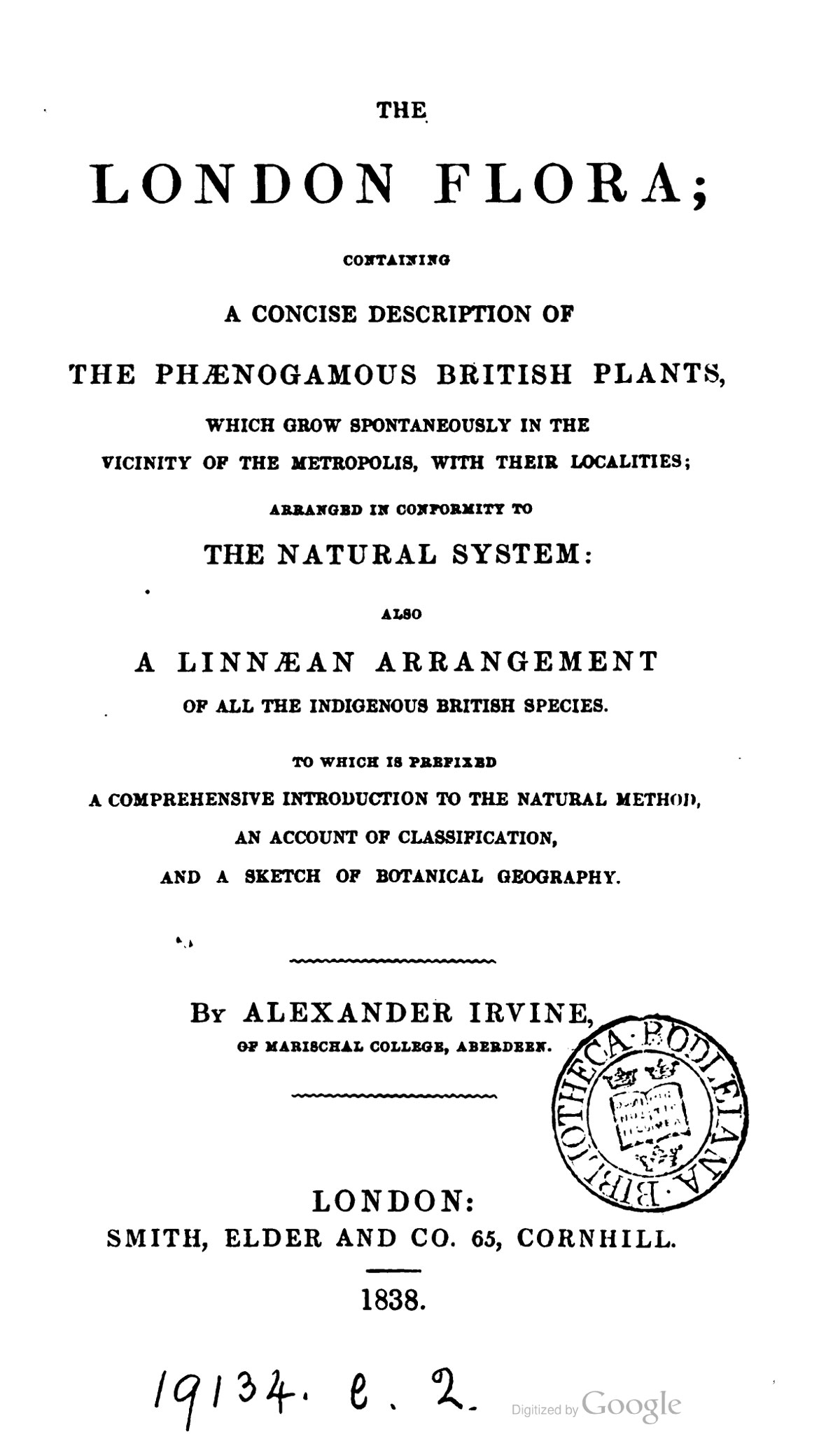
[PB: Be careful not to confuse father and son, both William. The author of the Catalogue is clearly the father, d.1844 at Lavender Hill, where he was a nurseryman. The son became a botanical publisher/bookseller. I think Ray Desmond says William Pamplin (the son) bought The Phytologist from Irvine, and went on to write quite a lot of it.]
"A catalogue of the rarer species of indigenous plants which have been growing in the vicinity of Clapham; systematically arranged; with a reference to the figures in "English Botany."
Its 16 pages include many references to Wandsworth Common, Battersea Fields etc. (The rest of the book is also very interesting. View or download entire document: www.archive.org.)
PDF (edited by PB) of the "catalogue of indigenous plants"
[NB Thanks to Mike Tuffrey for alerting me to this.]
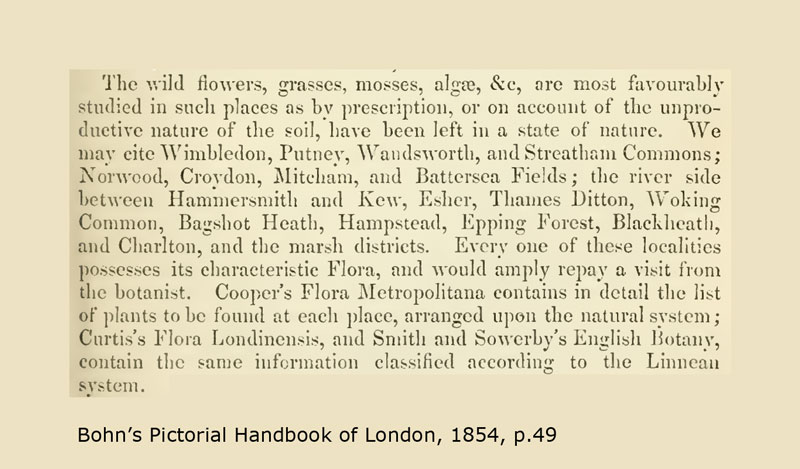
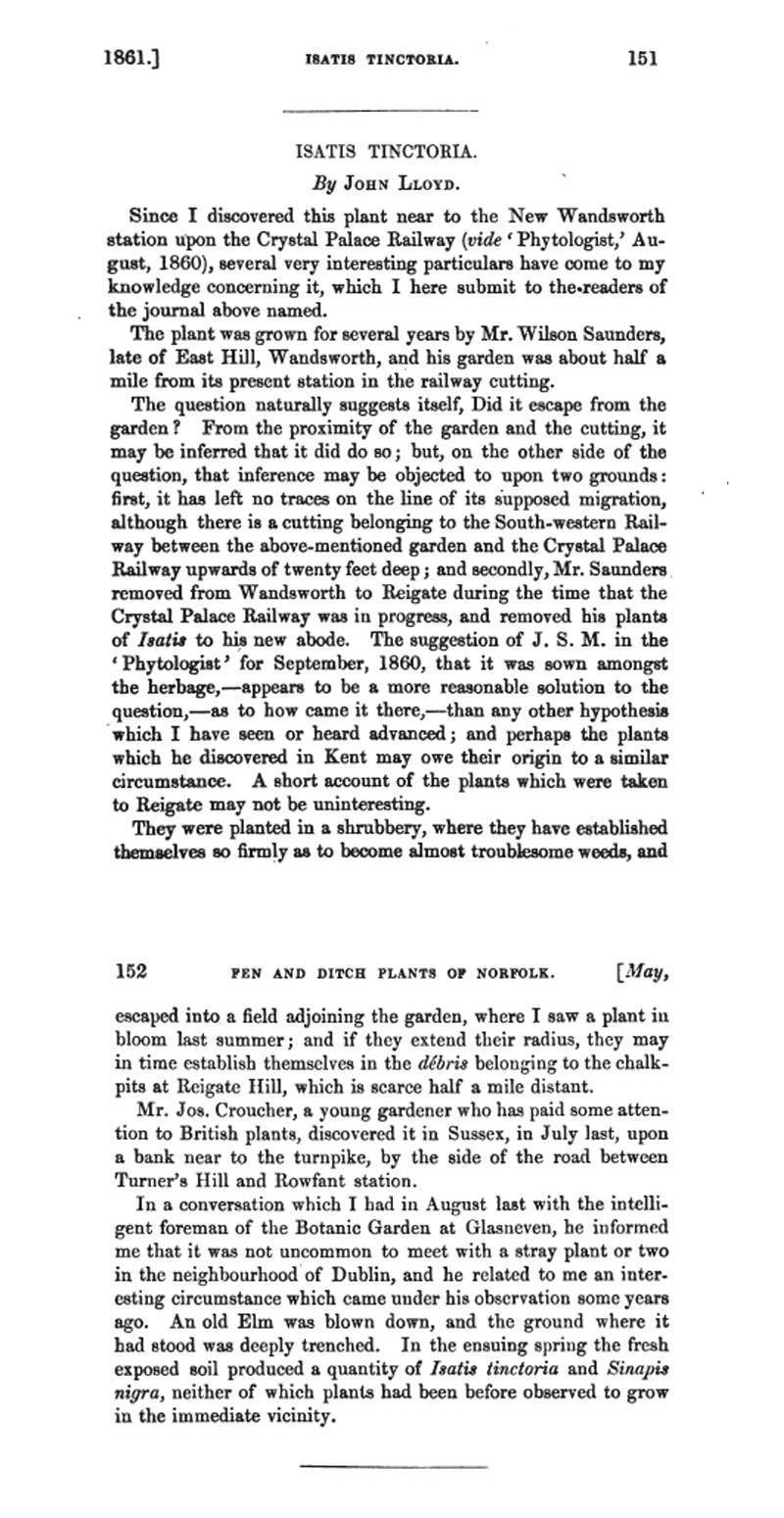
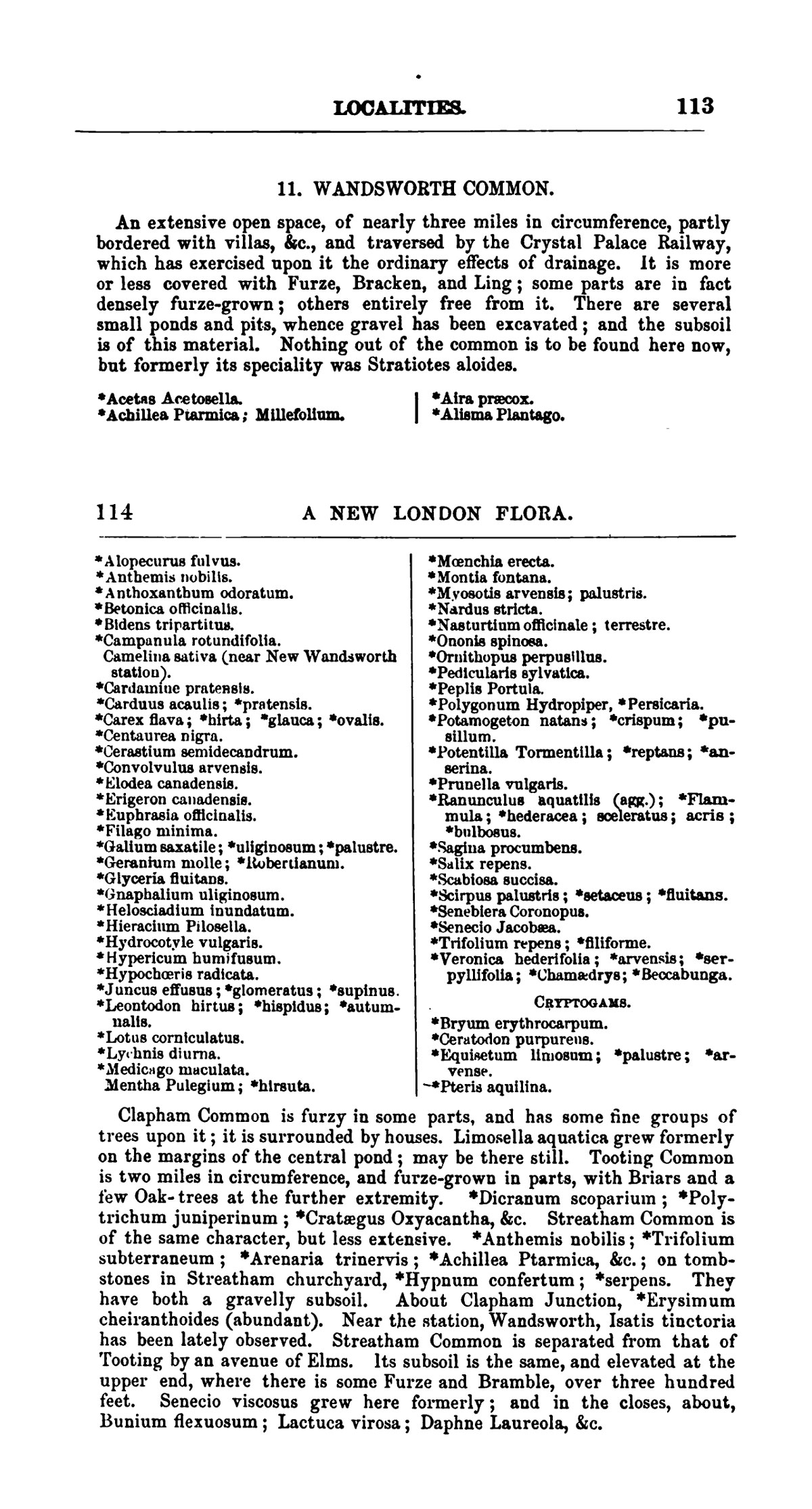
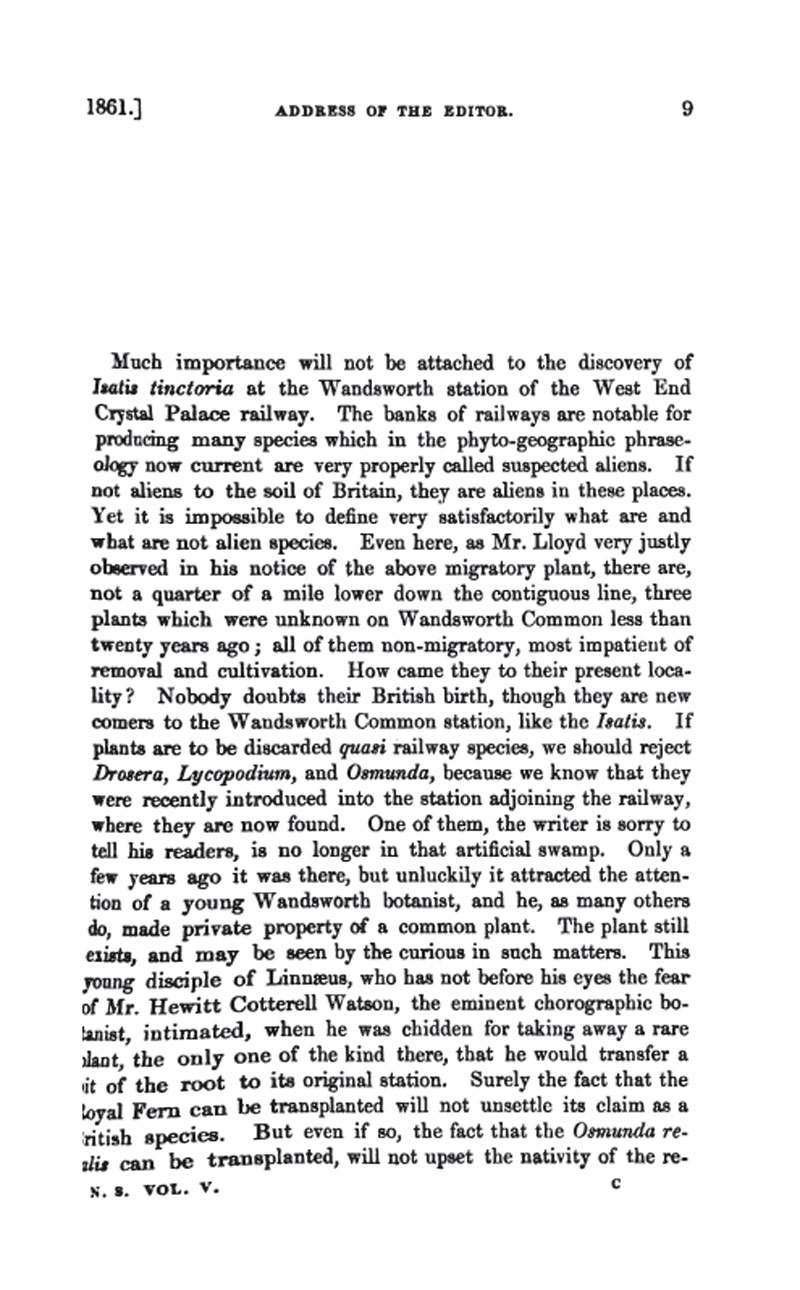
No separate listing for WC, but chapter on botany of the area includes numerous references to plants found on Wandsworth Common.
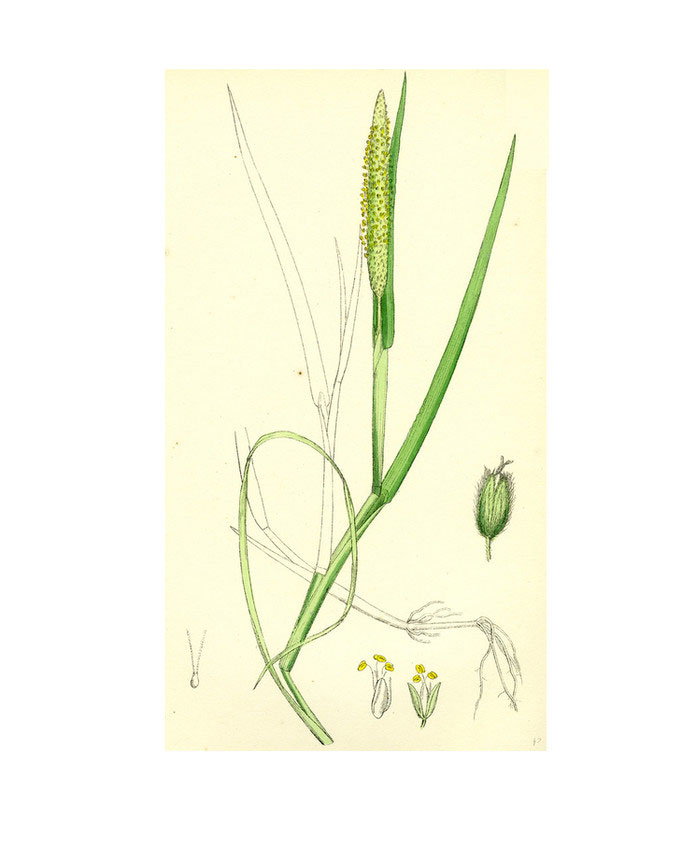
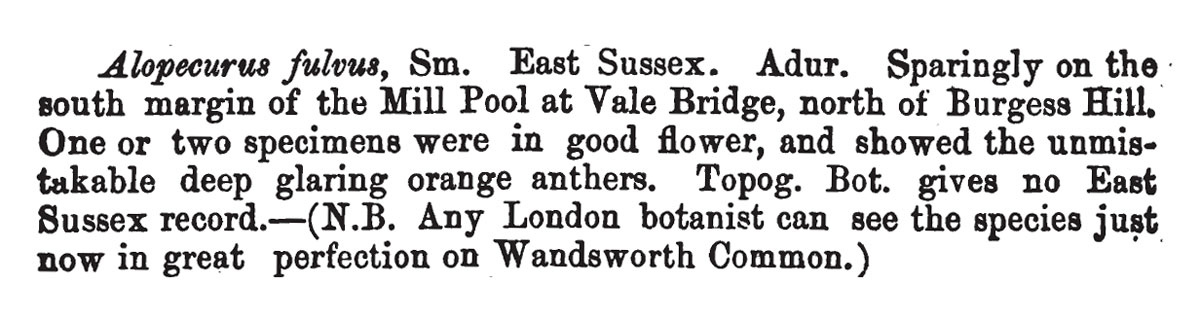
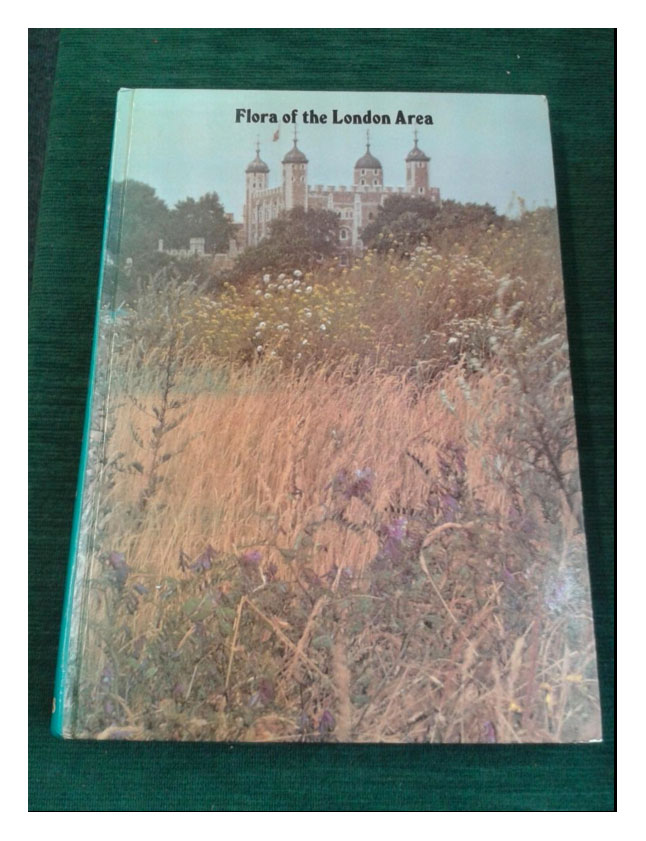
A remarkable work. More than 2000 species identified, mapped and discussed. Of course the book catalogues London's botany more than 40 years ago, but is still indispensable. There are plans to update it.
The map references takes a little getting used to.
I have written a guide to the (at first, rather baffling) maps, with particular reference to Wandsworth Common.
There are plans to update it.
— Orpington Field Club: The London Flora Project Needs You!:
"The London Natural History Society (LNHS) are proposing to update the Flora of Greater London. The previous Flora of Greater London, edited by Rodney Burton, was published in 1983 and since that time there are likely to have been many changes. It is therefore planned to resurvey the area to show what has been happening to the flora across the capital."
— London Natural History Society: A Constantly Changing Flora
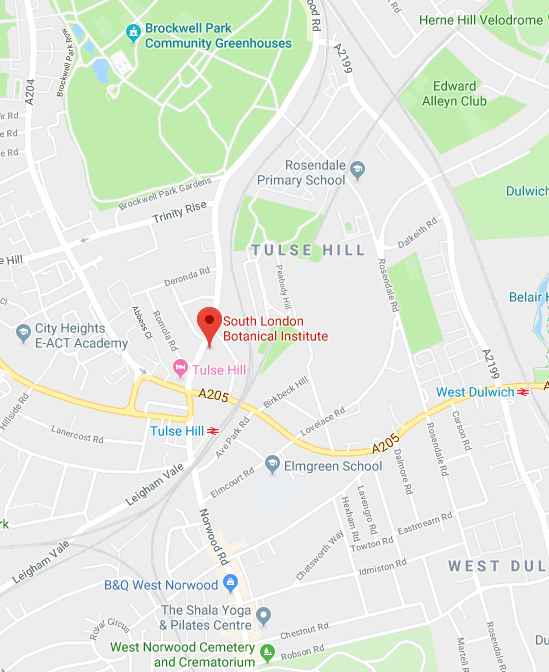
21 July 2019: Roy Vickery suggests looking at the Botanical Society of Britain & Ireland's Herbaria@Home for info. about the current location of herbaria specimens. Check for plants collected on Wandsworth Common or nearby.
Several very interesting-looking articles to check on The London Gardener site:
[Source: Link.]
[Source: Link.]
[e.g. on William Pamplin.]
And this, on landscape designer Sylvia Crowe — an intriguing para about "town spaces pretending to be country" and "the truncated country of Wandsworth Common in London (this was the mid-1950s), which she thought should be redesigned to meet urban conditions."
[Sylvia Crowe] was keen for the landscape in the country to keep its rural character and equally keen that landscape should take on a different, urbane civic dignity within the town.8 She made plenty of disparaging remarks about towns spaces pretending to be country, referring to them as pieces of amputated country,9 marooned spaces,10 the green void in the middle of Welwyn Garden City,11 and the truncated country12 of Wandsworth Common in London (this was the mid-1950s), which she thought should be redesigned to meet urban conditions.
12. Sylvia Crowe, Tomorrow's Landscape (The Architectural Press, London, 1956), p.174.
Another article about Sylvia Crowe here:
[Source: Link.]
Lt-Col. J.J. Sexby - Father of London's Municipal Parks - An Appreciation.
[JJ-Sexby-Father-of-London-Municipal-Parks-Hazelle-Jackson-London-Gardener-Volume11_04.pdf — not yet linked.]
lnhs.org.uk/index.php/articles-british/609-past-plants
Check out the GiGLer for A Sense of Place: The history of the geographical information in the London Natural History Society records:
[Greenspace Information for Greater London (GiGL): Link.]
[Botanical Society of Britain and Ireland (BSBI): Link.]
[Google: Link.]
[LNHS: Hampstead Heath Project.]
21 July 2019: Roy Vickery suggests looking at the Botanical Society of Britain & Ireland's Herbaria@Home for info. about the current location of herbaria specimens. Check for plants collected on Wandsworth Common or nearby.
Herbaria@Home search: "wandsworth common"
Just 9? Surely not.
Though notice e.g. Henslow.
I thought JS Mill had plants from WC in his collection.
Far far more from "Wandsworth":
Herbaria@Home search: "wandsworth"