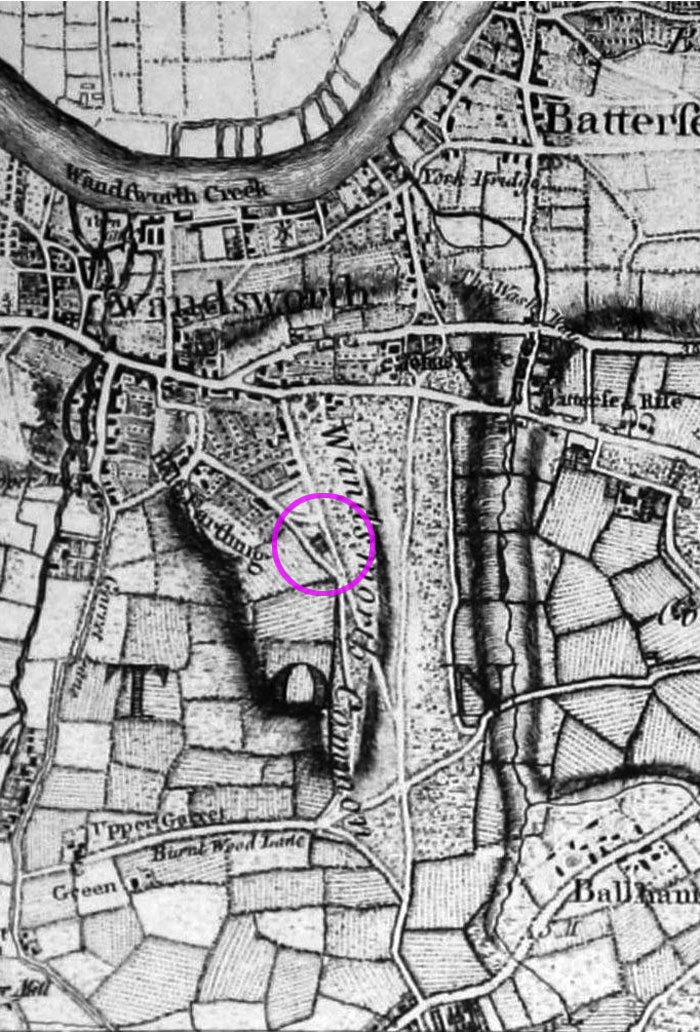
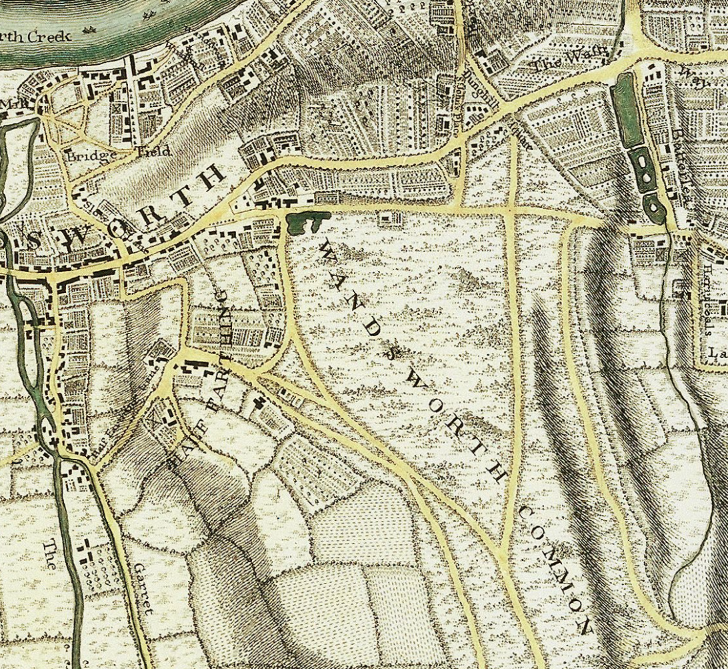
An early enclosure of the Common. When were the houses built? Trace the history in maps.
Was the first cricket pitch created (by local people) near here - as mentioned in the County Arms meeting. Add references.
Several of these houses were semi-derelict in the 1960s, and their gardens abandoned, presumably having been compulsorily purchased for demolition. Add info..
Dorian Gerhold, Wandsworth Past, p.113:
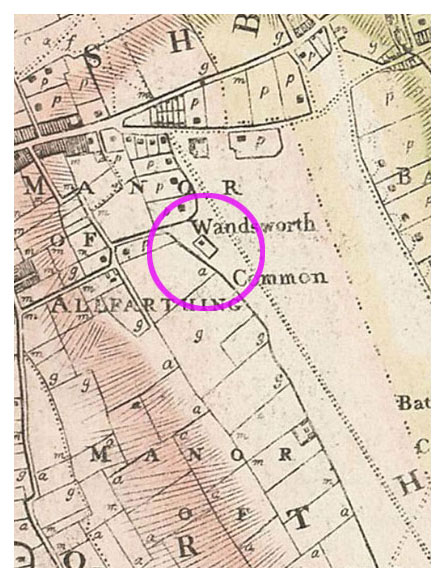
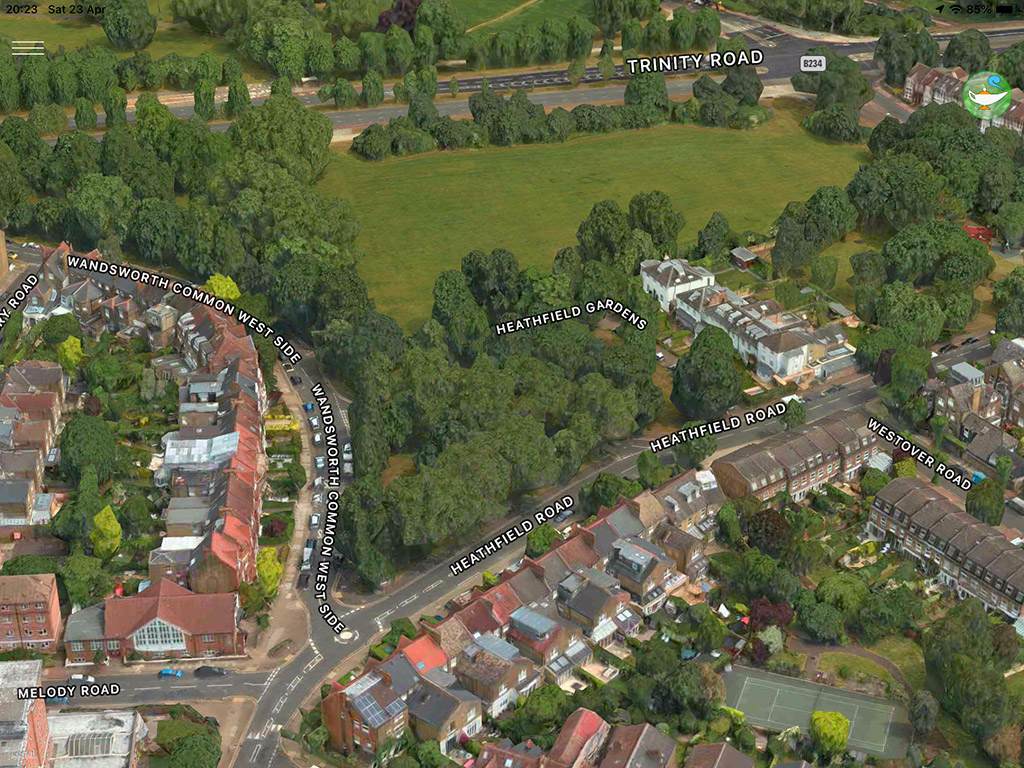
On the East Common [i.e. Wandsworth Common] there were a few scattered enclosures prior to 1800. These, which existed by the 1740s, are now Heathfield Cottages and the northern part of Spencer Park; also some land was taken for houses and gardens on West Side. [n.2 = e.g. NRO SOX 101, 1760 lease to Joseph Wight]
Showing Earl Spencer's properties in Wandsworth
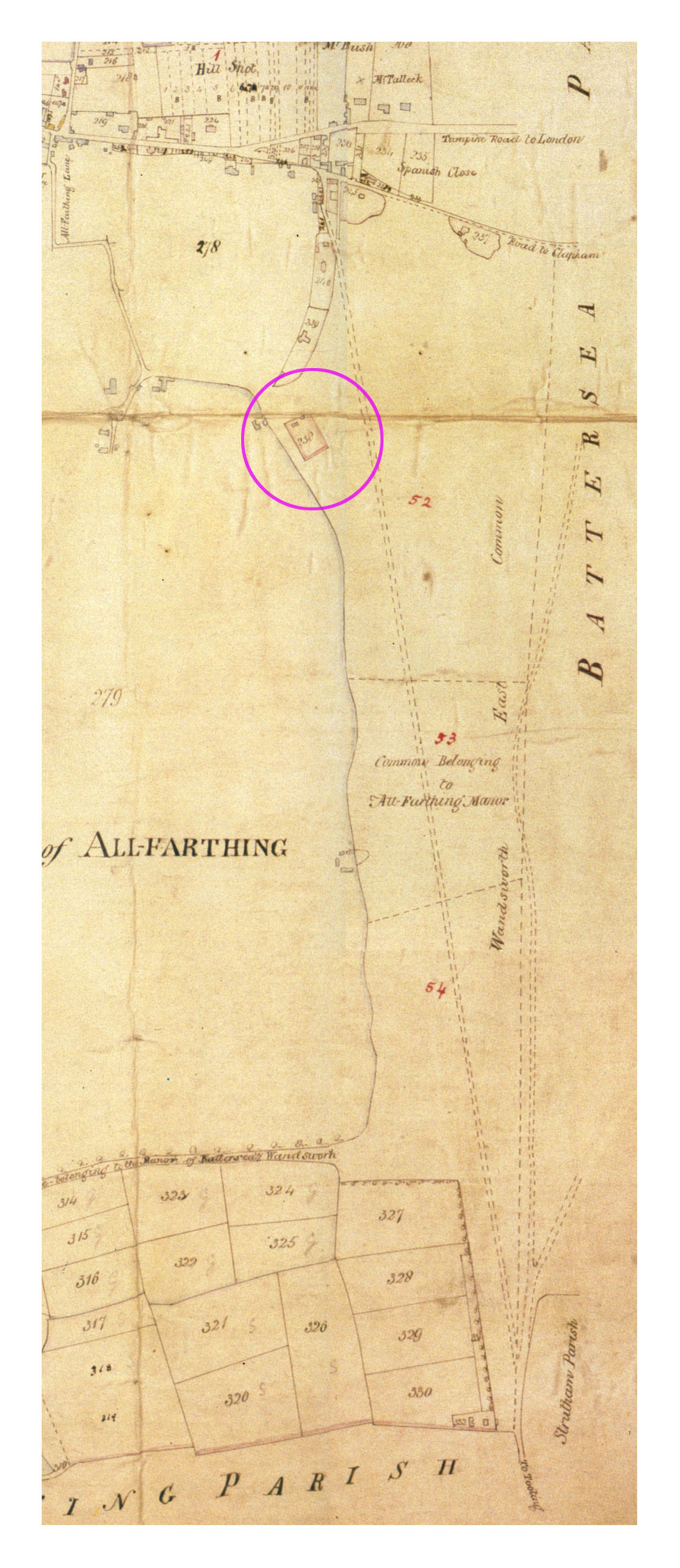
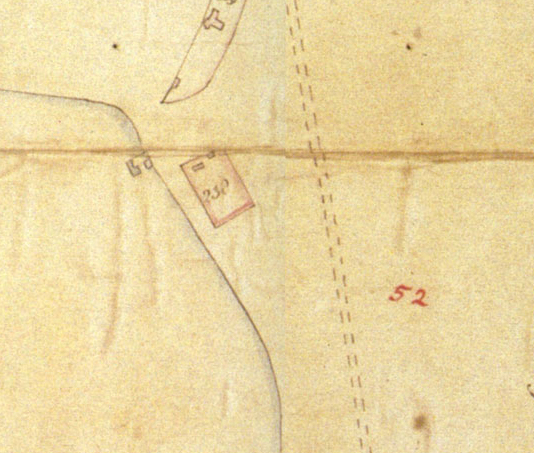
Dorian Gerhold's transcript says that 238 - "Buildings & garden &c" - was owned by Earl Spencer, and Richard Penn was the tenant
DG's note adds (p28):
"238 This is now a row of houses (Heathview Gardens) jutting into the Common. Richard Penn, a gardener, had three tenements here, insured for the first time in 1756. Each had two stories and garrets, and one of them he occupied himself. However, the enclosure, with a building or buildings on it, also appears on Rocque's map of 1740-45."
Keith Bailey, July 2020:
The 1804 OS 1-inch drawing [on BL website] clearly shows the rectangular enclosure on the Common, but is too small to indicate any houses. My view, given the Estate Agent's blurb is that the terrace is Regency, thus NOT there in 1804. Pevsner's South London p.705 describes them as 'pretty houses on early C19.
Keith Bailey, July 2020:
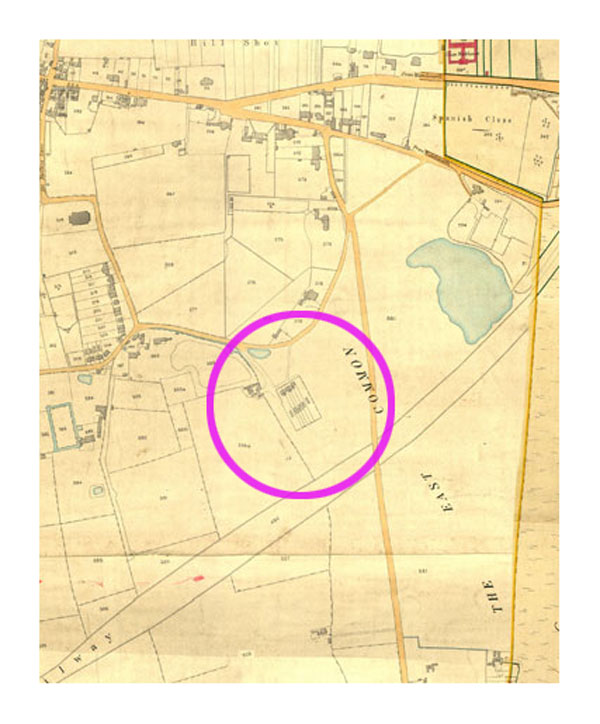
The Wandsworth Tithe Map shows that in 1841, only the terrace of 5 was there, not the detached one at the end. They were all owned by John Leach.
The 1841 Census has only nos. 3 and 5 occupied, the rest empty. The occupiers were an independent spinster at no.3 with 1 servant and a surgeon with 2 svts. at no.5.
By 1851 all five were occupied, including the spinster, now a 'fundholder' [i.e. had an independent income]. John Leach, an oil & colourman b.1790 is at no.3, presumably the same as the man owning the land in 1841. He died in 1855. His premises were in Wandsworth High Street, and he had succeeded his father of the same name. The other occupiers in 1851 were an ironmonger and two barristers.
PB: John Leach's will (dated 27 September 1855) is in the NA. I have downloaded a copy here.
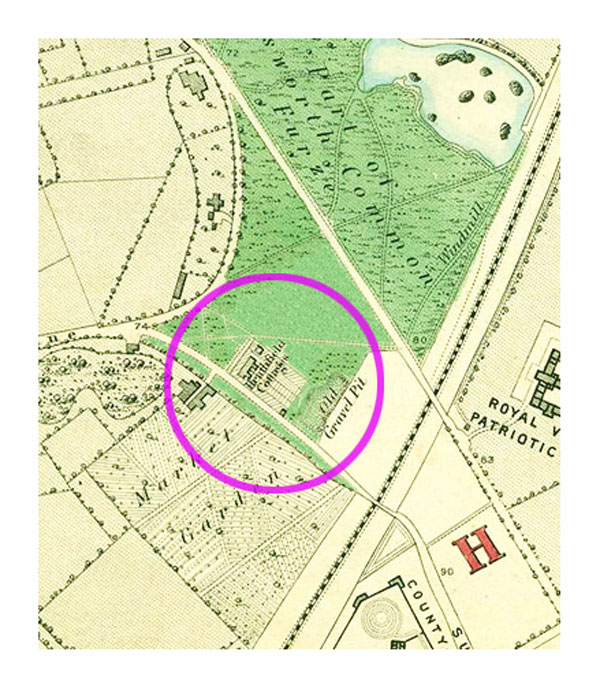
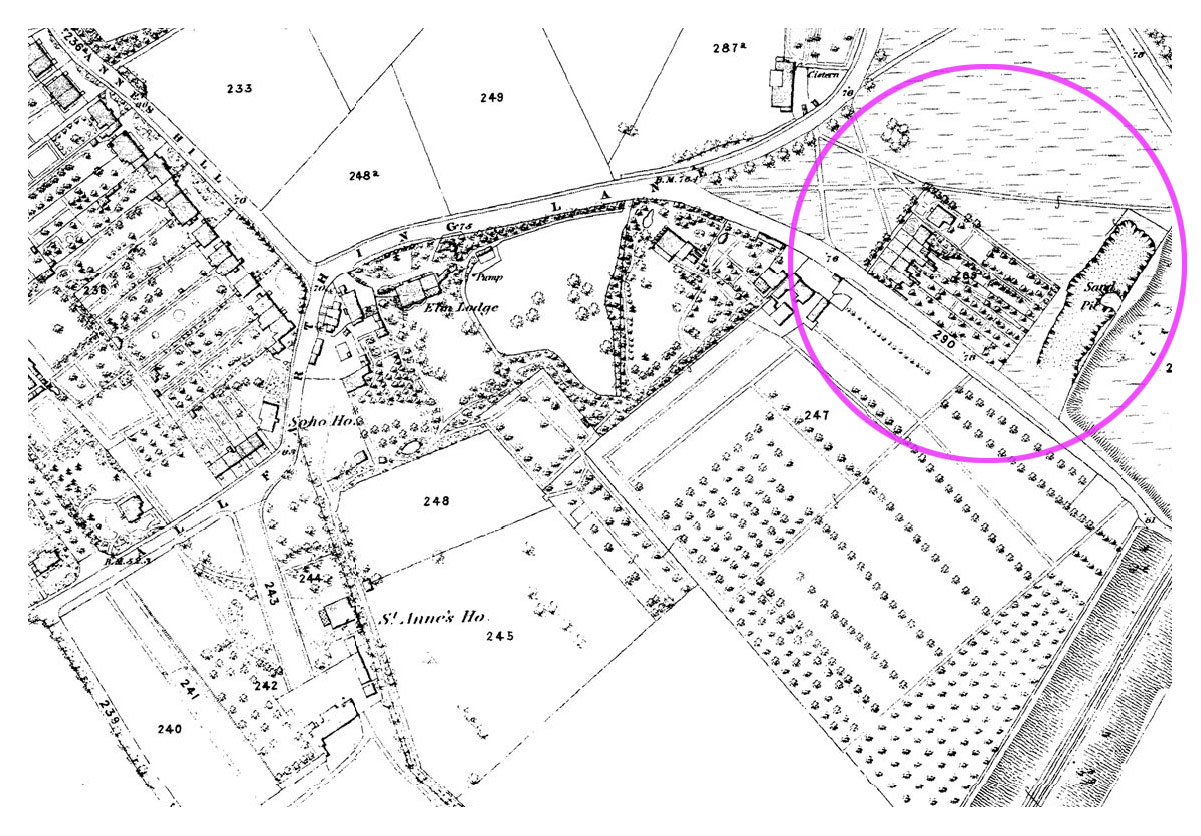
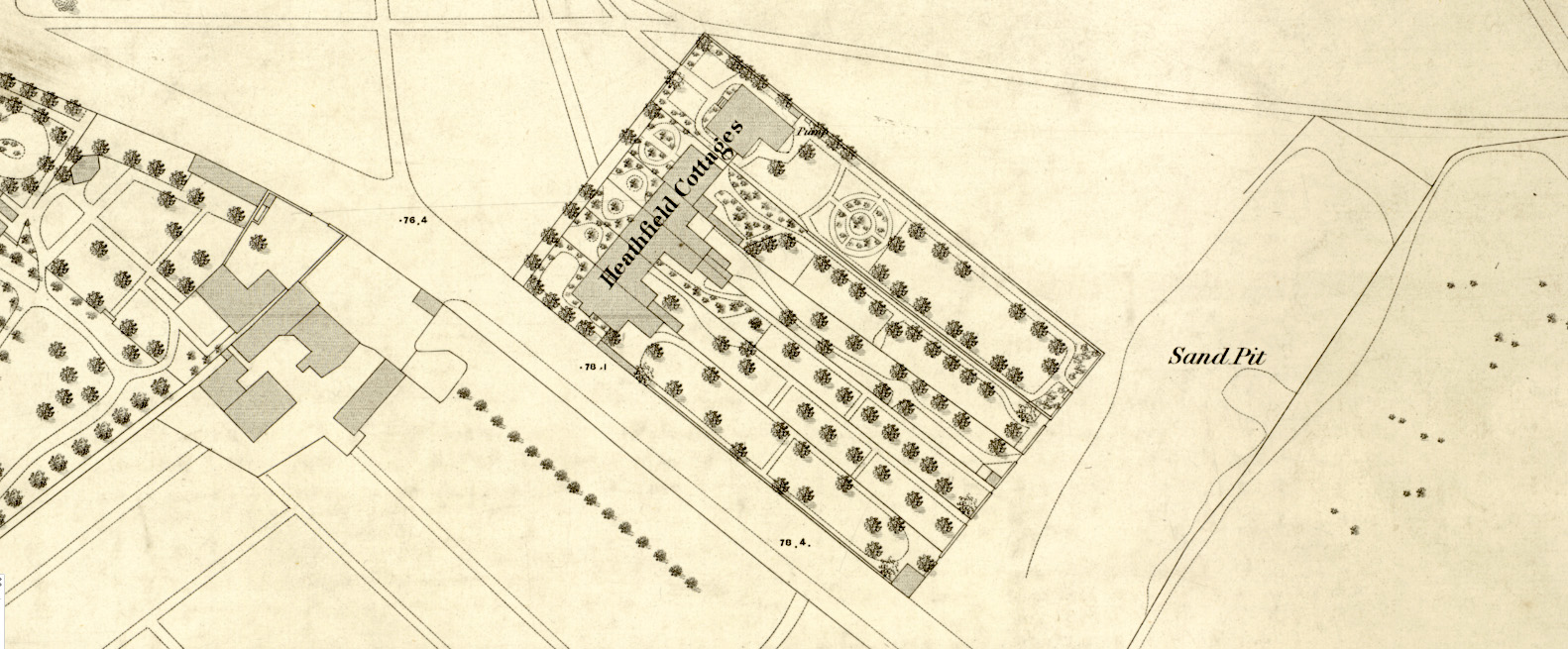
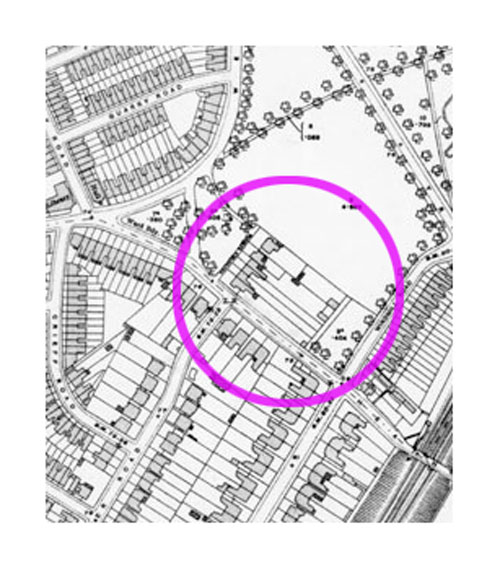

In the 1960s, were these houses due to be compulsorily purchased and knocked down to add land to the Common to compensate for land lost when the extra carriageway of Trinity Rd and the underpass was built in the 1960s?
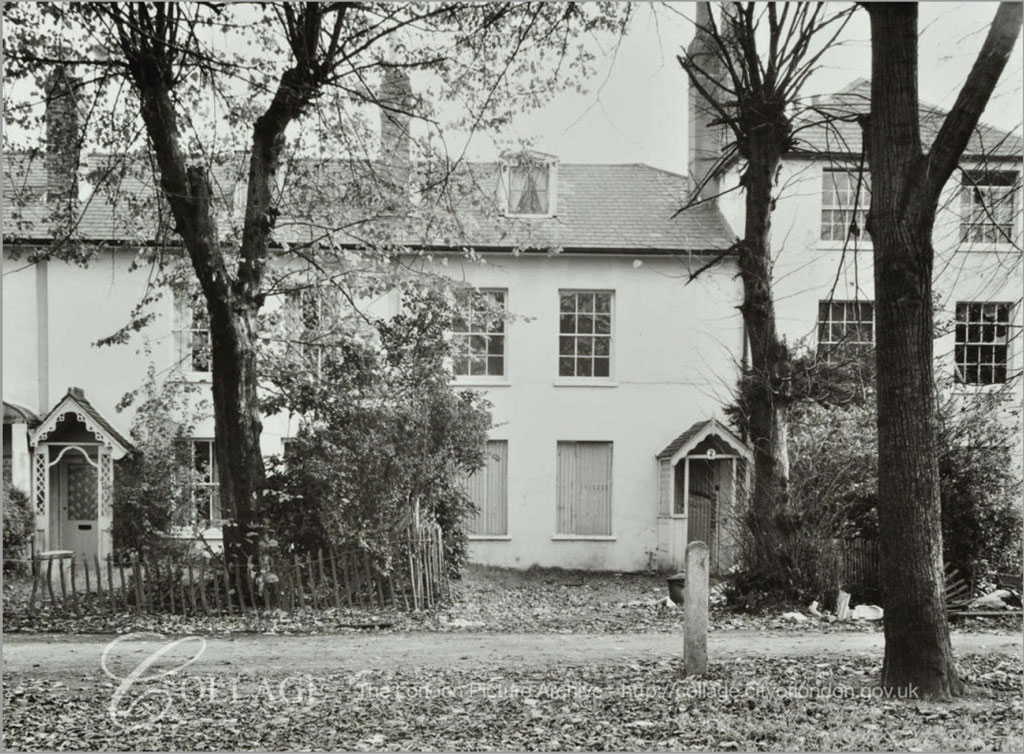
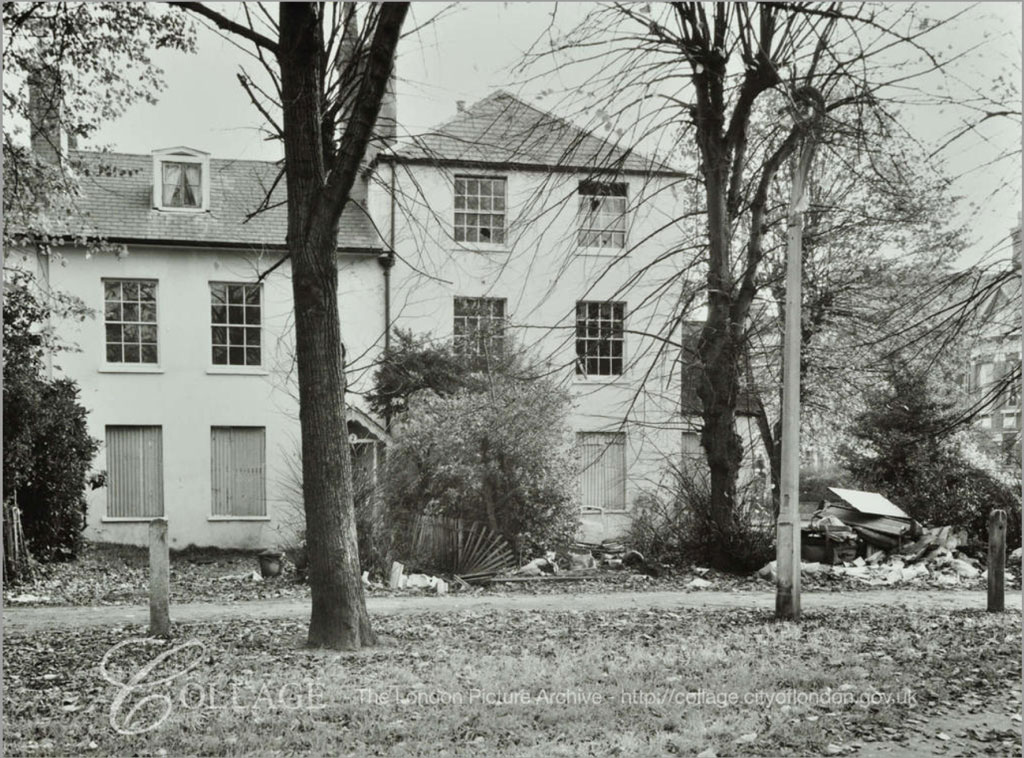
Several of these houses were semi-derelict in the 1950s and 1960s, and their gardens abandoned, presumably having been compulsorily purchased for demolition.
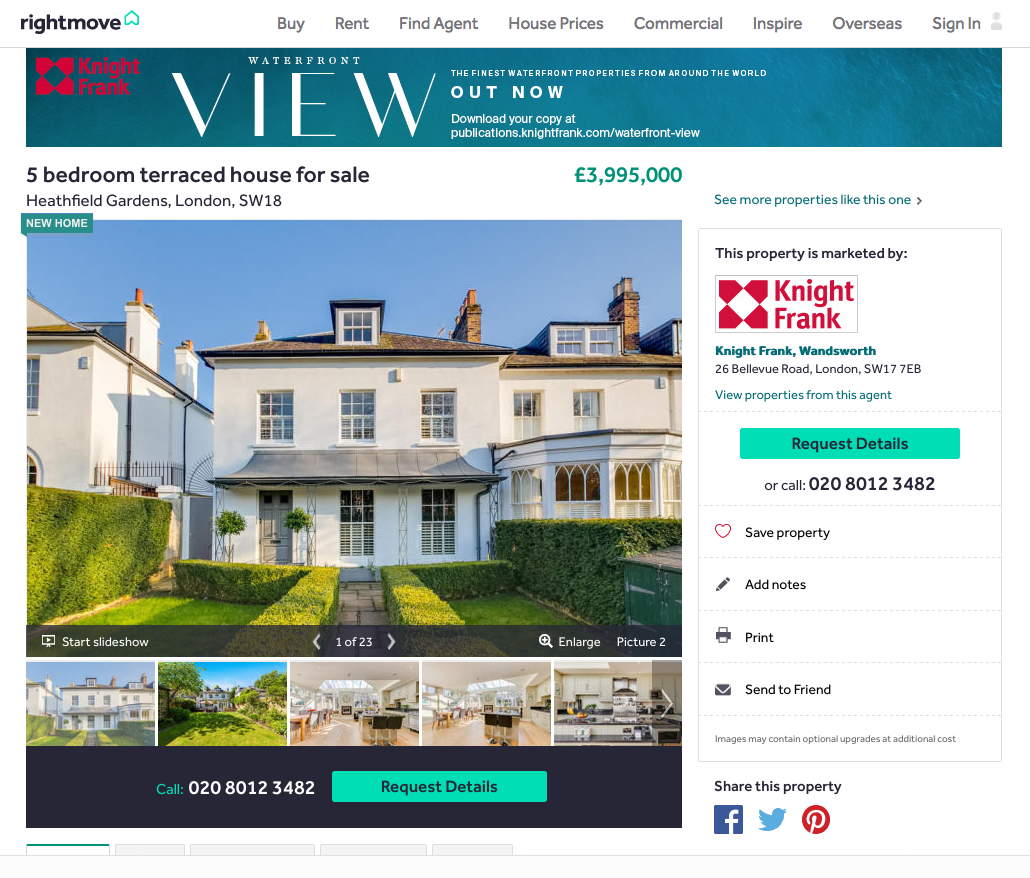
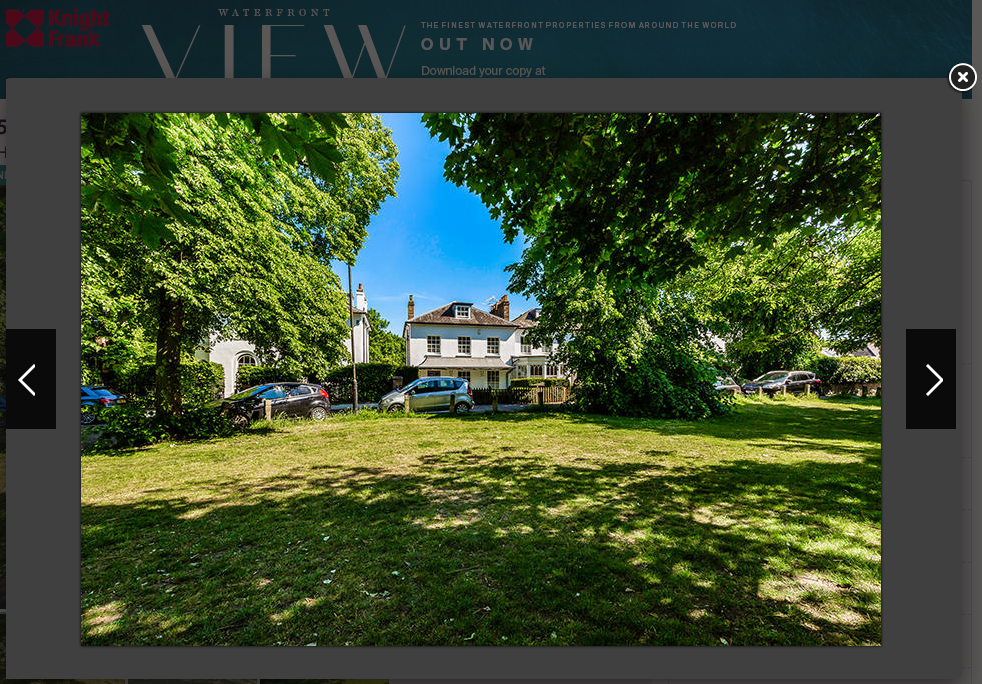
[RightMove: Link.]
[Savills: Link.]
As early as 1937 there was a plan to build the Wandsworth Bridge Southern Approach Road (the Underpass). It was intended to turn [the entire length of] Trinity Road, from Wandsworth Bridge to Balham, into a dual carriageway. An Act of Parliament was passed in 1938 to allow this to happen. The plan entailed taking a great swathe of the Common for the extra road width and the LCC looked to see where it could find suitable exchange land.
The 8 acres in front of the prison, now leased to Neal's Nursery garden, was an obvious choice. The LCC had tried in 1890 to get possession of it from the Home Office, referring them to the restrictive covenant. They had failed but had acquired from Earl Spencer the manorial rights to prevent building. The 1924 LCC Parks publication said "It is improbable that the Home Office contemplate building on the land ... but the situation needs watching and the most strenuous opposition should be offered if ever an attempt is made." However, all plans for the new road came to a standstill in 1939 with the outbreak of WW2.
[...]
In 1964 the road plans were resurrected. A new Act of Parliament (repealing the 1938 Act) was passed for the purpose. The plan now was limited to a dual-carriageway as far as The County Arms.
The Home Office parted with half of the land in front of the prison in a long strip parallel to the road. Other exchange land was acquired by reducing the length of the gardens of Heathfield Gardens. These cottages had been compulsorily acquired with the intention that they be pulled down and all the land made into Common. However, public outcry and national publicity at the proposed loss of this attractive row resulted in just their gardens being taken.
To make up for this, that part of Marcilly Road that crossed the Common from North Side was removed (an avenue of trees now indicates where the road once was). Work on the Wandsworth Bridge Southern Approach Road (now fortunately just an extension to Trinity Road [from the County Arms northward]) began in 1966/7, and was officially opened in March 1970. It had cost under-budget at &mpound;4m.
[WandsworthCommonHistory: Link.]
I'm pretty certain this was the location of the earliest cricket pitch — as used by the "Wandsworth Gentlemen" in matches against the MCC in the 1820s.
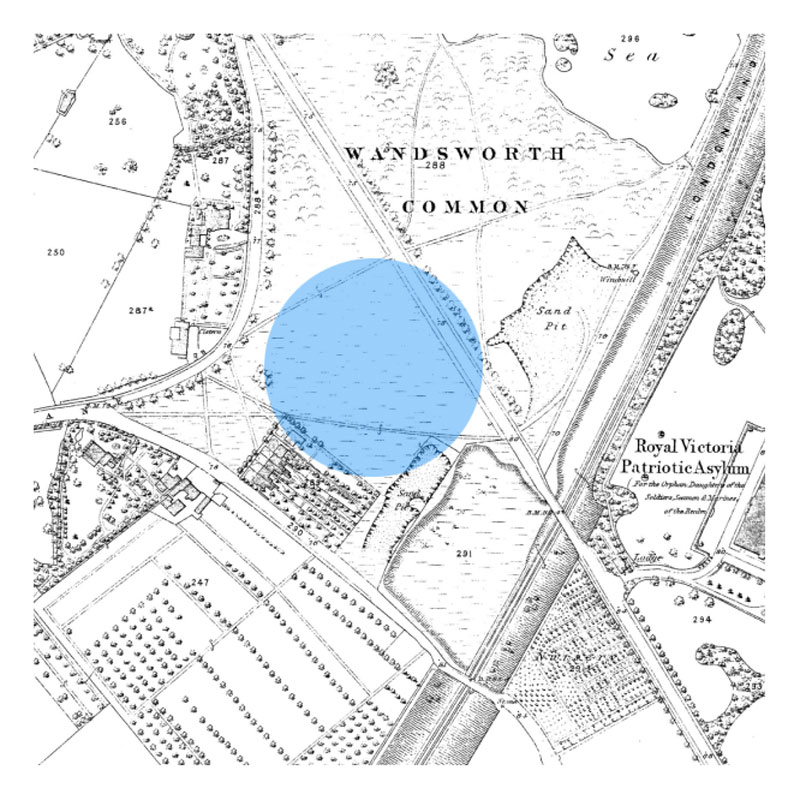
I have written or spoken a lot about this - where? Find and add.
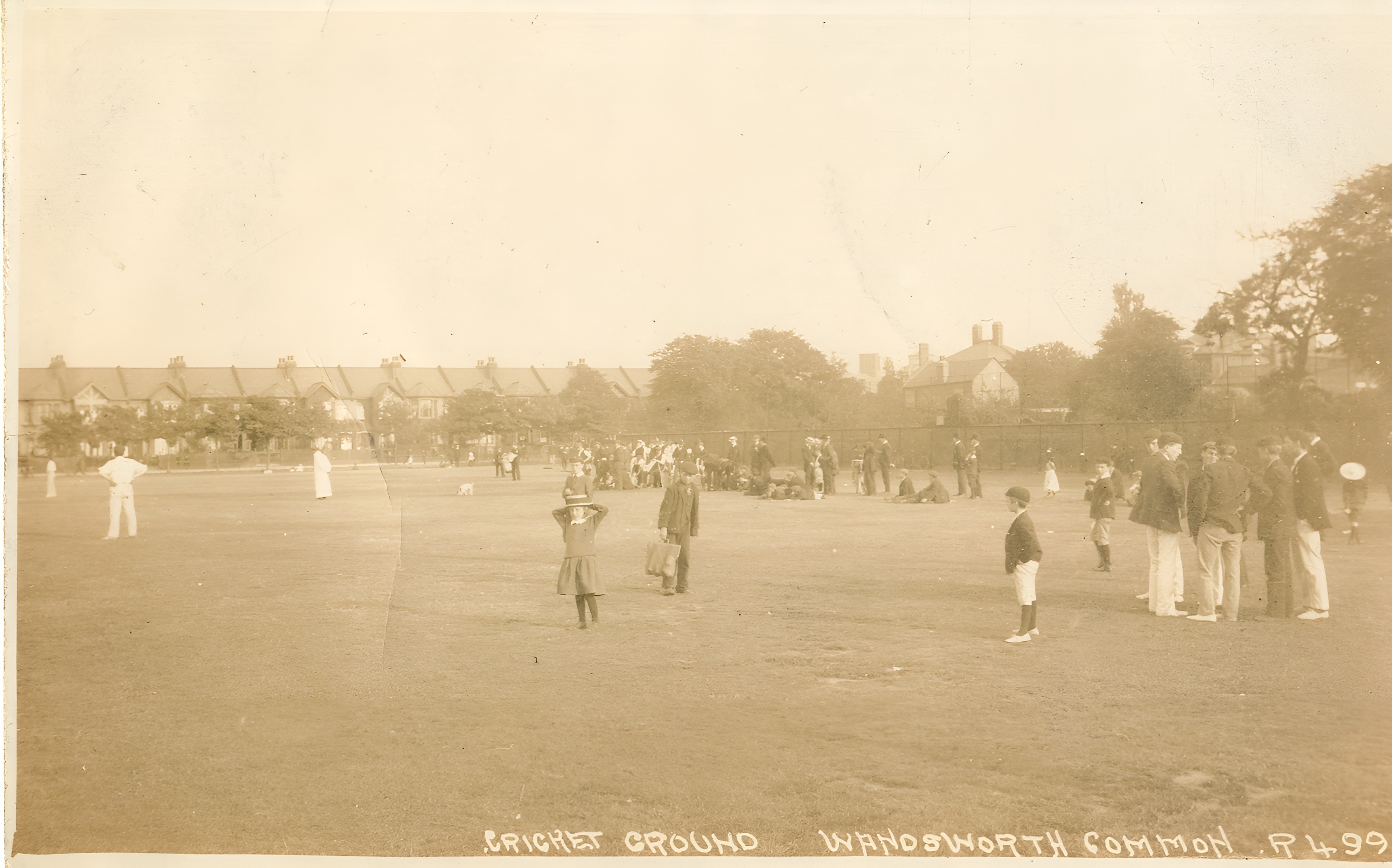
NB complaints by Mrs Nixon of lost balls, 1880.
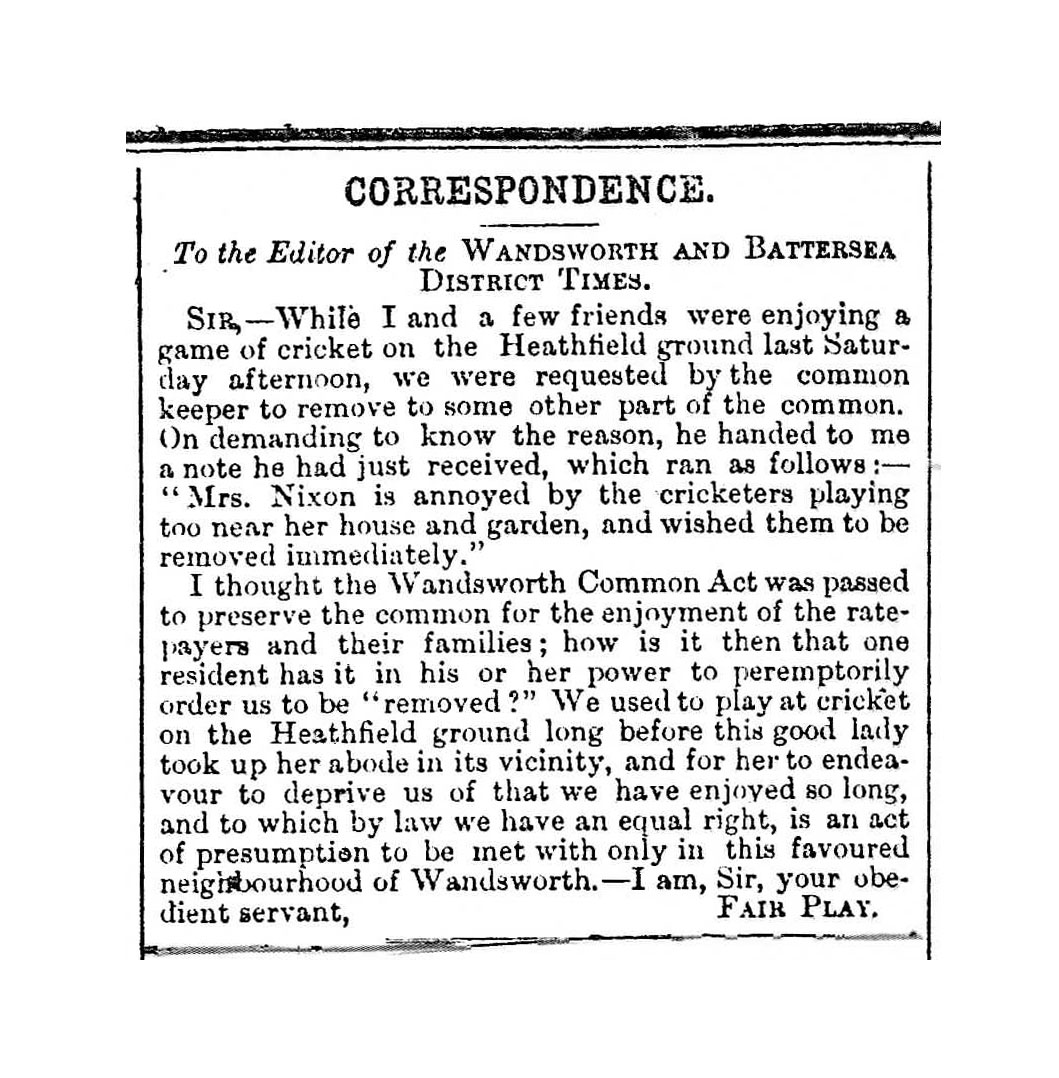
BNA Search yielded no results for outcry, but some interesting stories to follow up: "Heathfield Gardens" "Wandsworth Common".
In response to my request for info. about Heathfield Cottages, Keith Bailey wrote (30 July 2020):
Always good to have another conundrum, albeit about an area with which I'm less than familiar.
The 1804 OS 1-inch drawing [on BL website] clearly shows the rectangular enclosure on the Common, but is too small to indicate any houses. My view, given the Estate Agent's blurb is that the terrace is Regency, thus NOT there in 1804. Pevsner's South London p.705 describes them as 'pretty houses on early C19.
The Wandsworth Tithe Map shows that in 1841, only the terrace of 5 was there, not the detached one at the end. They were all owned by John Leach. The 1841 Census has only nos. 3 and 5 occupied, the rest empty. The occupiers were an independent spinster at no.3 with 1 servant and a surgeon with 2 svts. at no.5.
By 1851 all five were occupied, including the spinster, now a 'fundholder'. John Leach, an oil & colourman b.1790 is at no.3, presumably the same as the man owning the land in 1841. He died in 1855. His premises were in Wandsworth High Street, and he had succeeded his father of the same name. The other occupiers in 1851 were an ironmonger and two barristers.
It looks unlikely that there were any buildings here as early as Rocque's map. [PB: I have since emailed KB with higher res. maps that def. show a building.]
[PB: Keith, his interest piqued, went on to research and write a superb study of the area. My copy is "KEITH_BAILEY_HEATHFIELD_COTTAGES.pdf".]
[PB: The NA has a copy of the Will of John Leach, Oil and Colourman of Wandsworth, Surrey. I have downloaded a copy here. It's rather hard to read, so I haven't done so yet.]