How the burial ground was brought back from dereliction between 2019 and 2022, as told on its own on-site panel, followed by full transcriptions of all eight individual memorial plaques at Mount Nod. Part of an ongoing account of the Huguenot Burial Ground that started with my July Chronicles, 2026.
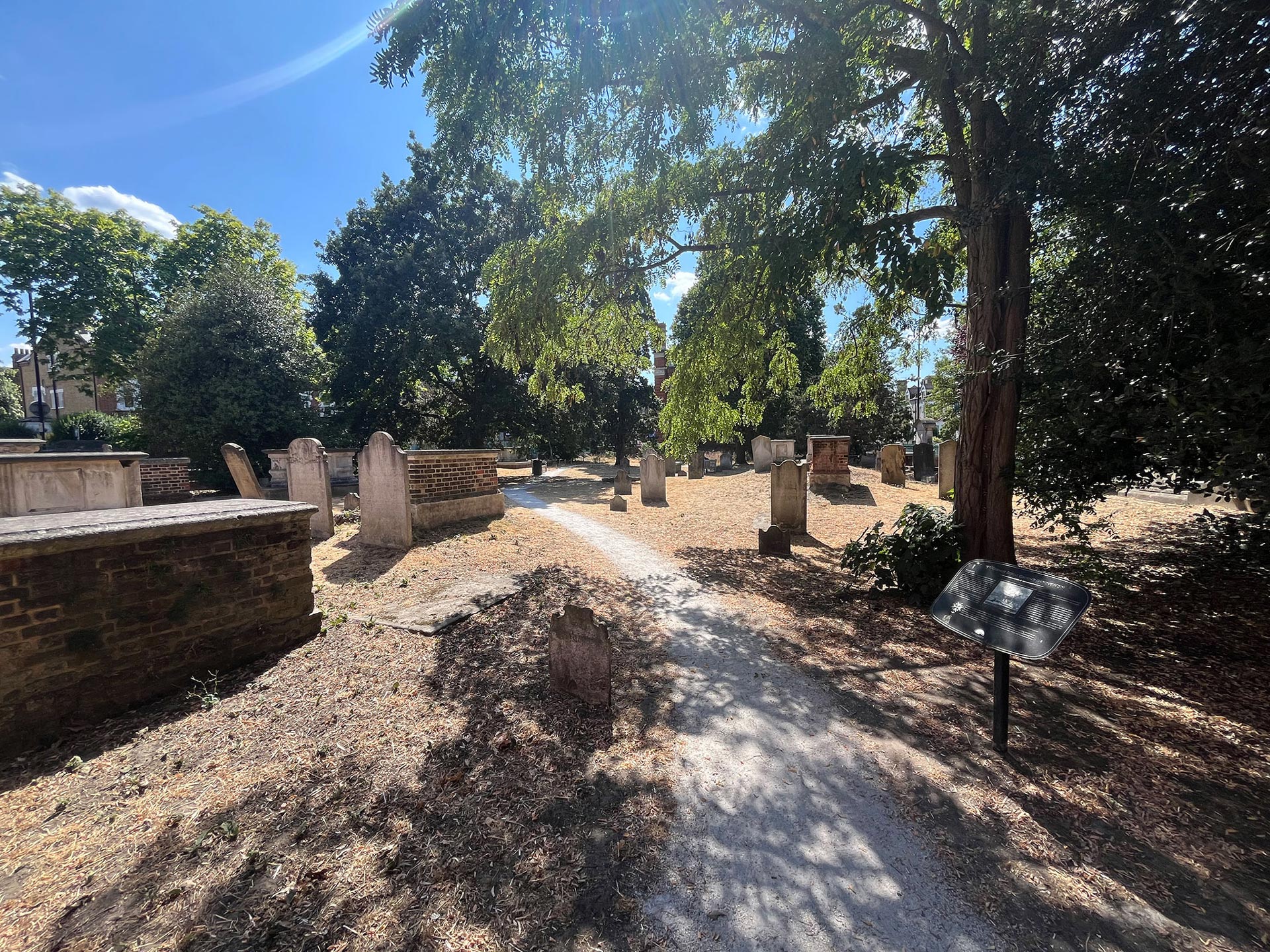
View over Mount Nod, the "Huguenot Burial Ground", July 2026. Photo: Philip Boys.
A transcript of copper engraved plaques positioned throughout Mount Nod.
In July 2026, to pass the time while waiting for a 170 bus at the Huguenot Place stop, I nipped across the road to have a quick look at the restored burial ground, now in effect a pocket park. I'm so glad I did. I stayed for quite a while, missing a succession of buses, but took snaps of the marvellously wrought interpretation plaques.
I don't know about you, but I never find it easy to read plaques and panels in situ, so I often take photographs for later. What follows is the Restoration panel, and every individual memorial inscription I found on site in July 2026 — including three more, tracked down on a return visit at the end of August, and Samuel John’s, added in October. (I'm surprised there don't seem to be any transcriptions already online.) In some cases, I have also added related images.
The majority of the text below is a direct transcription of the plaques, which were drafted by Wandsworth Council, the Huguenot Society, the Wandsworth Society and the Wandsworth Historical Society. My own comments and quotations are clearly marked as interpolations.
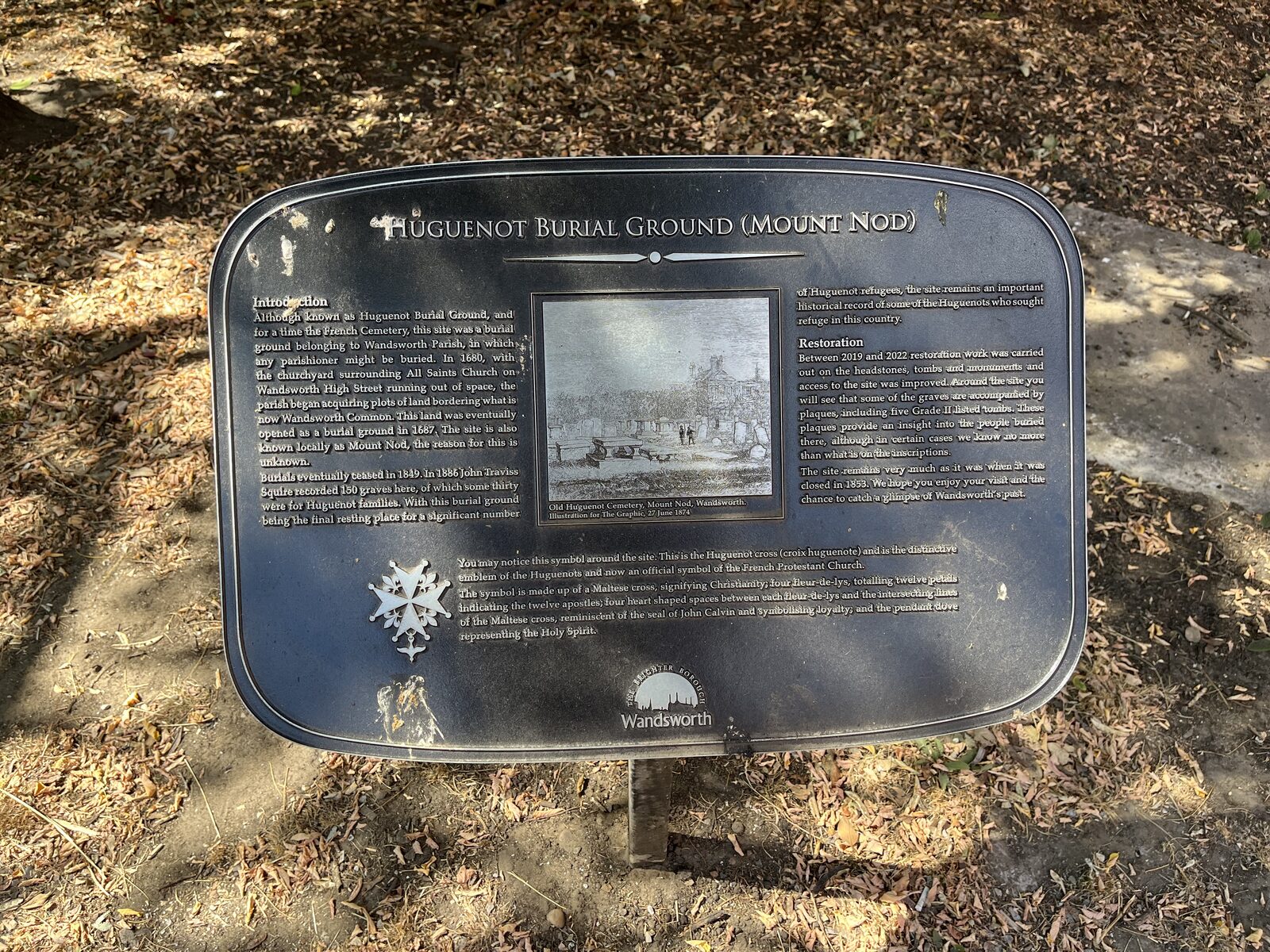
The Huguenot Burial Ground (Mount Nod)
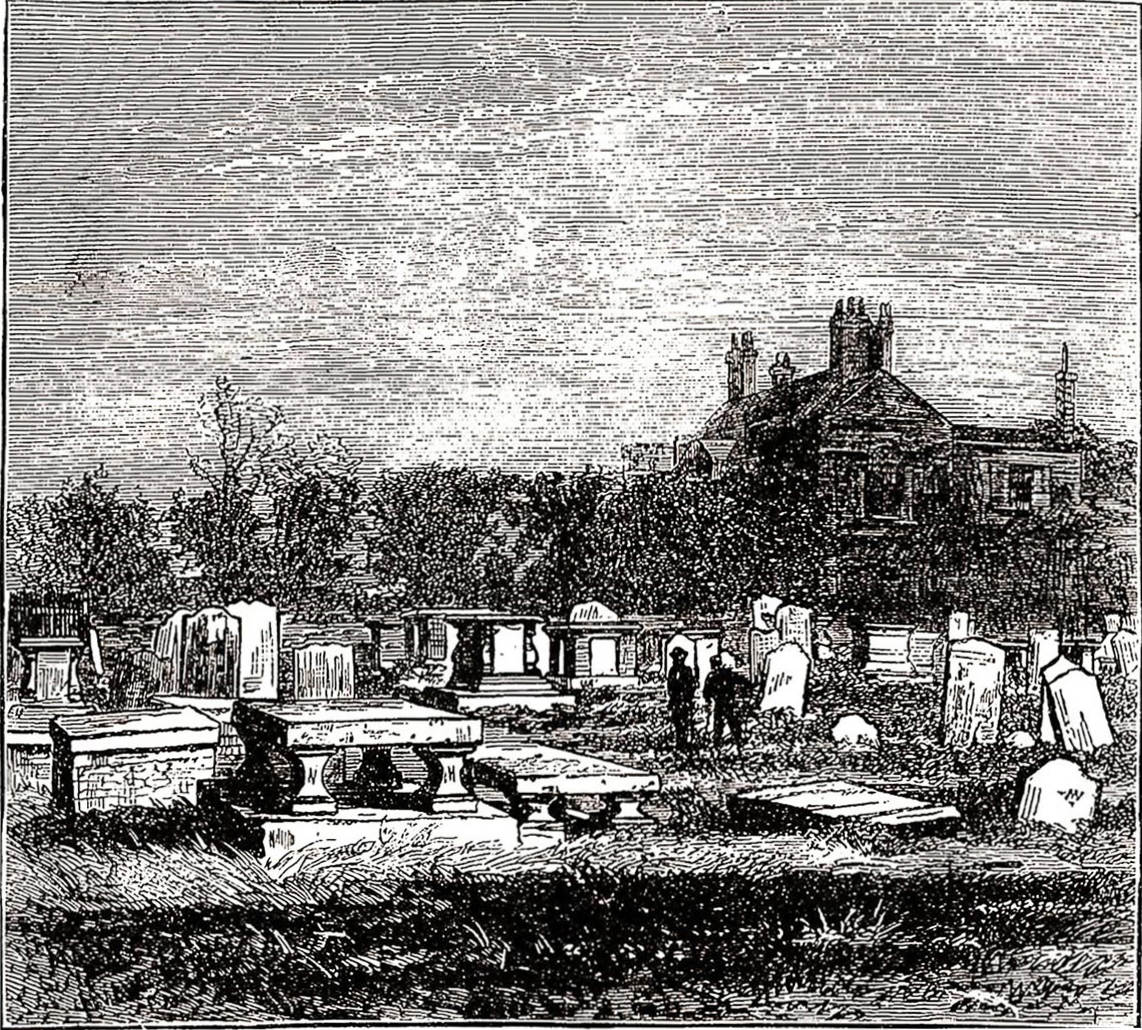
Old Huguenot Cemetery, Mount Nod Wandsworth, The Graphic, 27 June 1874.
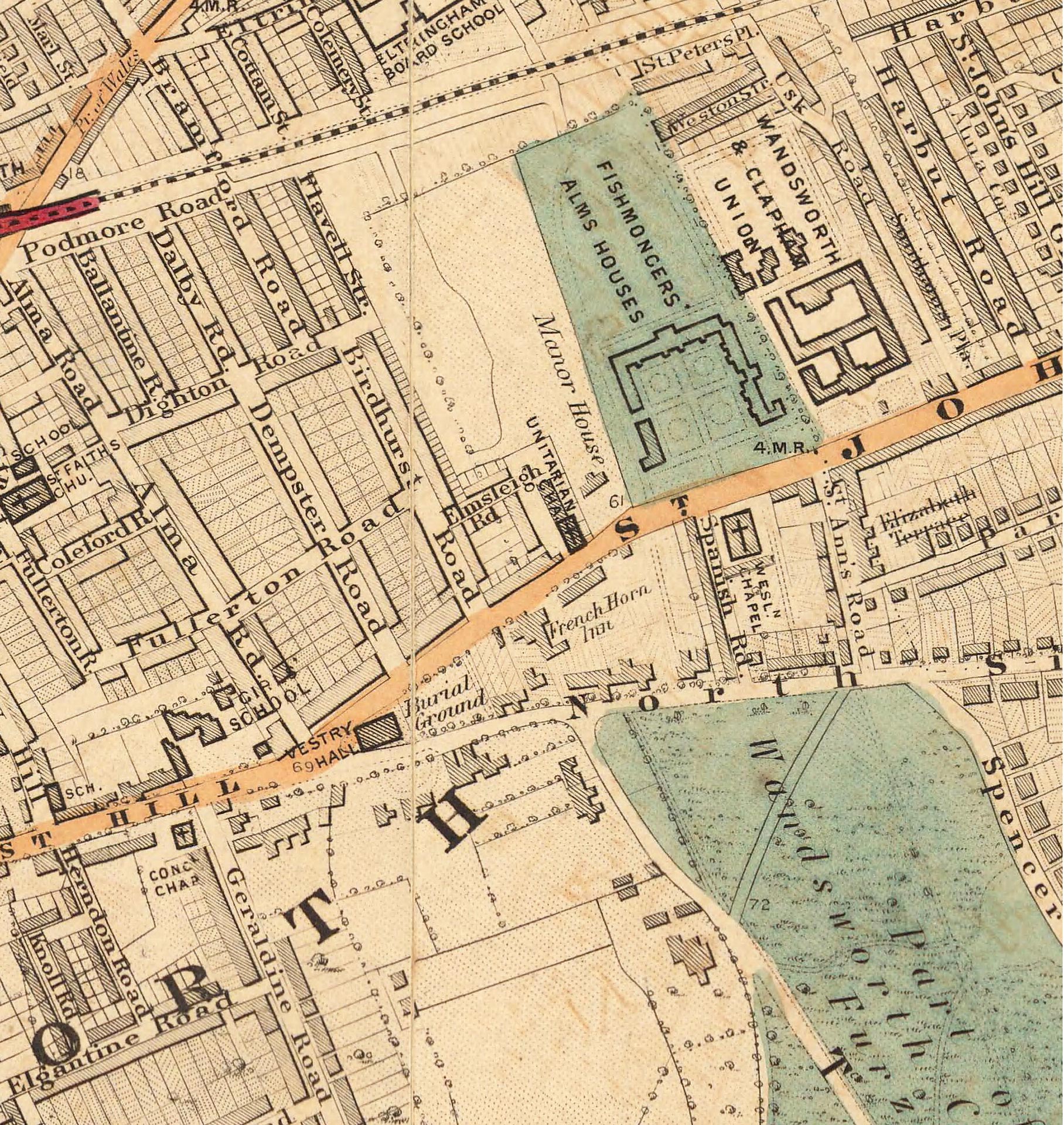
Although known as Huguenot Burial Ground, and for a time the French Cemetery, this site was a burial ground belonging to Wandsworth Parish, in which any parishioner might be buried. In 1680, with the churchyard surrounding All Saints Church on Wandsworth High Street running out of space, the parish began acquiring plots of land bordering what is now Wandsworth Common. This land was eventually opened as a burial ground in 1687. The site is also known locally as Mount Nod, the reason for this is unknown.
Burials eventually ceased in 1849. In 1886 John Traviss Squire recorded 150 graves here, of which some thirty were for Huguenot families. With this burial ground being the final resting place for a significant number of Huguenot refugees, the site remains an important historical record of some of the Huguenots who sought refuge in this country.
Restoration. Between 2019 and 2022 restoration work was carried out on the headstones, tombs and monuments and access to the site was improved. Around the site you will see that some of the graves are accompanied by plaques, including five Grade II listed tombs. These plaques provide an insight into the people buried there, although in certain cases we know no more than what is on the inscriptions.
The site remains very much as it was when it was closed in 1853. We hope you enjoy your visit and the chance to catch a glimpse of Wandsworth's past.
You may notice this symbol around the site. This is the Huguenot cross (croix huguenote) and is the distinctive emblem of the Huguenots and now an official symbol of the French Protestant Church.
The symbol is made up of a Maltese cross, signifying Christianity; four fleur-de-lys, totalling twelve petals indicating the twelve apostles; four heart-shaped spaces between each fleur-de-lys and the intersecting lines of the Maltese cross, reminiscent of the seal of John Calvin and symbolising loyalty; and the pendant dove representing the Holy Spirit.
[PB: "The site is also known locally as Mount Nod, the reason for this is unknown." "Unknown"? An odd thing to say. True, the derivation has not been finally determined, but there is an established literature that is suggestive. ]
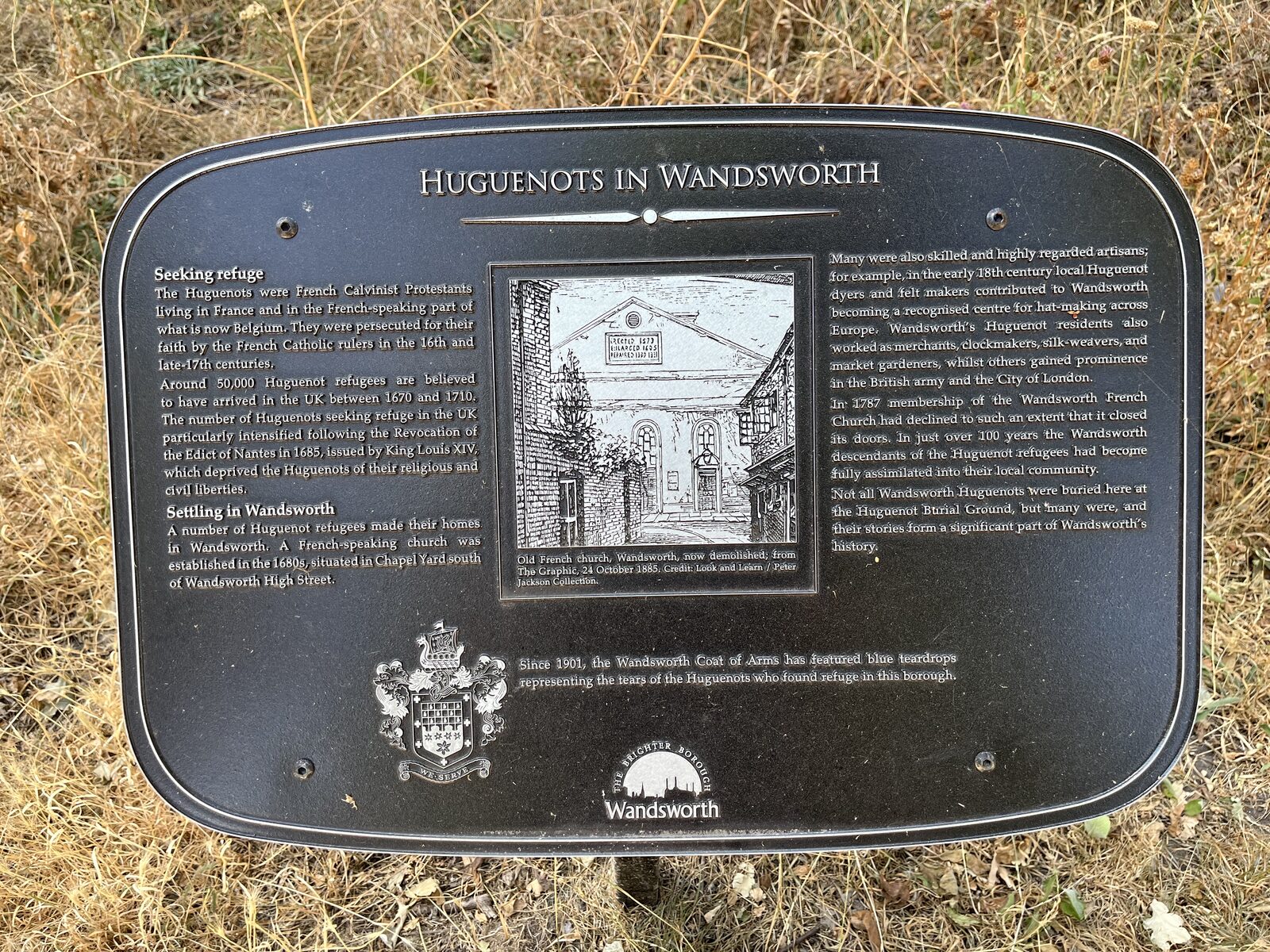
Huguenots in Wandsworth
Seeking refuge. The Huguenots were French Calvinist Protestants living in France and in the French-speaking part of what is now Belgium. They were persecuted for their faith by the French Catholic rulers in the 16th and late-17th centuries.
Around 50,000 Huguenot refugees are believed to have arrived in the UK between 1670 and 1710. The number of Huguenots seeking refuge in the UK particularly intensified following the Revocation of the Edict of Nantes in 1685, issued by King Louis XIV, which deprived the Huguenots of their religious and civil liberties.
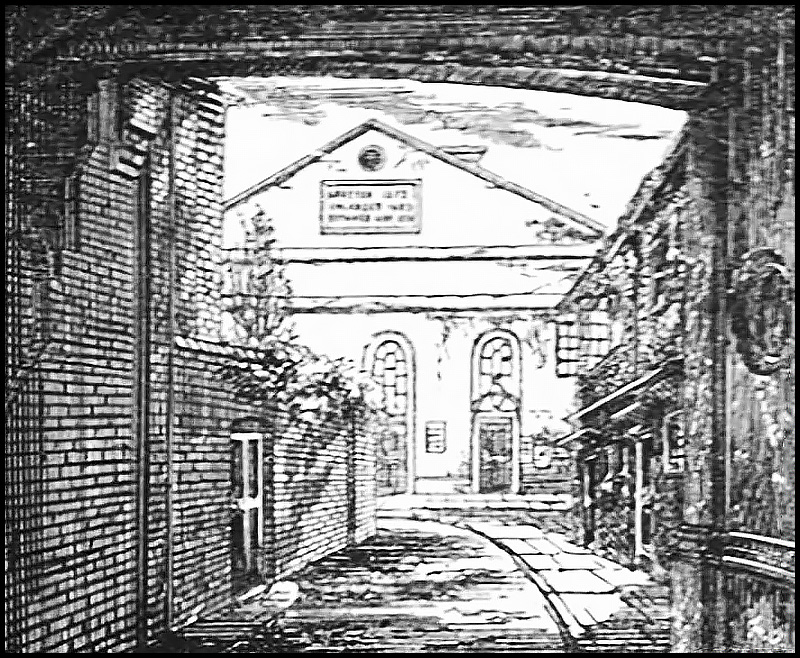
Settling in Wandsworth. A number of Huguenot refugees made their homes in Wandsworth. A French-speaking church was established in the 1680s, situated in Chapel Yard south of Wandsworth High Street.
Old French church, Wandsworth, now demolished; from The Graphic, 24 October 1885.
Illustration on the panel: "Old French church, Wandsworth, now demolished; from The Graphic, 24 October 1885. Credit: Look and Learn / Peter Jackson Collection."
Many were also skilled and highly regarded artisans; for example, in the early 18th century local Huguenot dyers and felt makers contributed to Wandsworth becoming a recognised centre for hat-making across Europe. Wandsworth's Huguenot residents also worked as merchants, clockmakers, silk-weavers, and market gardeners, whilst others gained prominence in the British army and the City of London.
In 1787 membership of the Wandsworth French Church had declined to such an extent that it closed its doors. In just over 100 years the Wandsworth descendants of the Huguenot refugees had become fully assimilated into their local community.
Not all Wandsworth Huguenots were buried here at the Huguenot Burial Ground, but many were, and their stories form a significant part of Wandsworth's history.
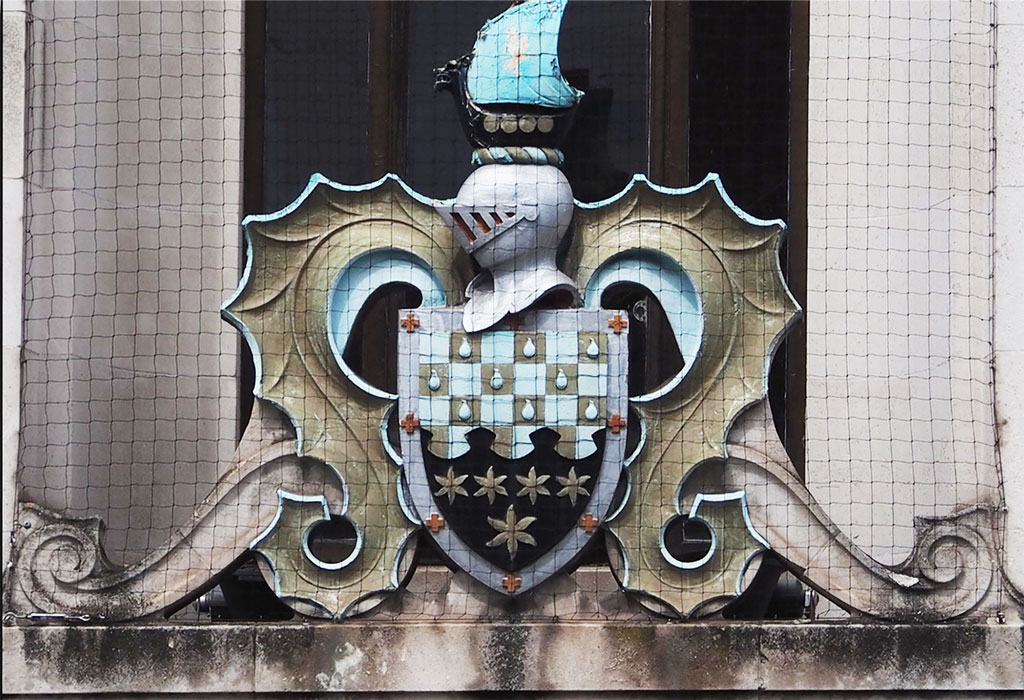
Since 1901, the Wandsworth Coat of Arms has featured blue teardrops representing the tears of the Huguenots who found refuge in this borough.
[PB: Our word "refugee" was first used in the 1680s to describe French Huguenots (from Latin refugium, a place of shelter, hence Old French refugier to take shelter).]
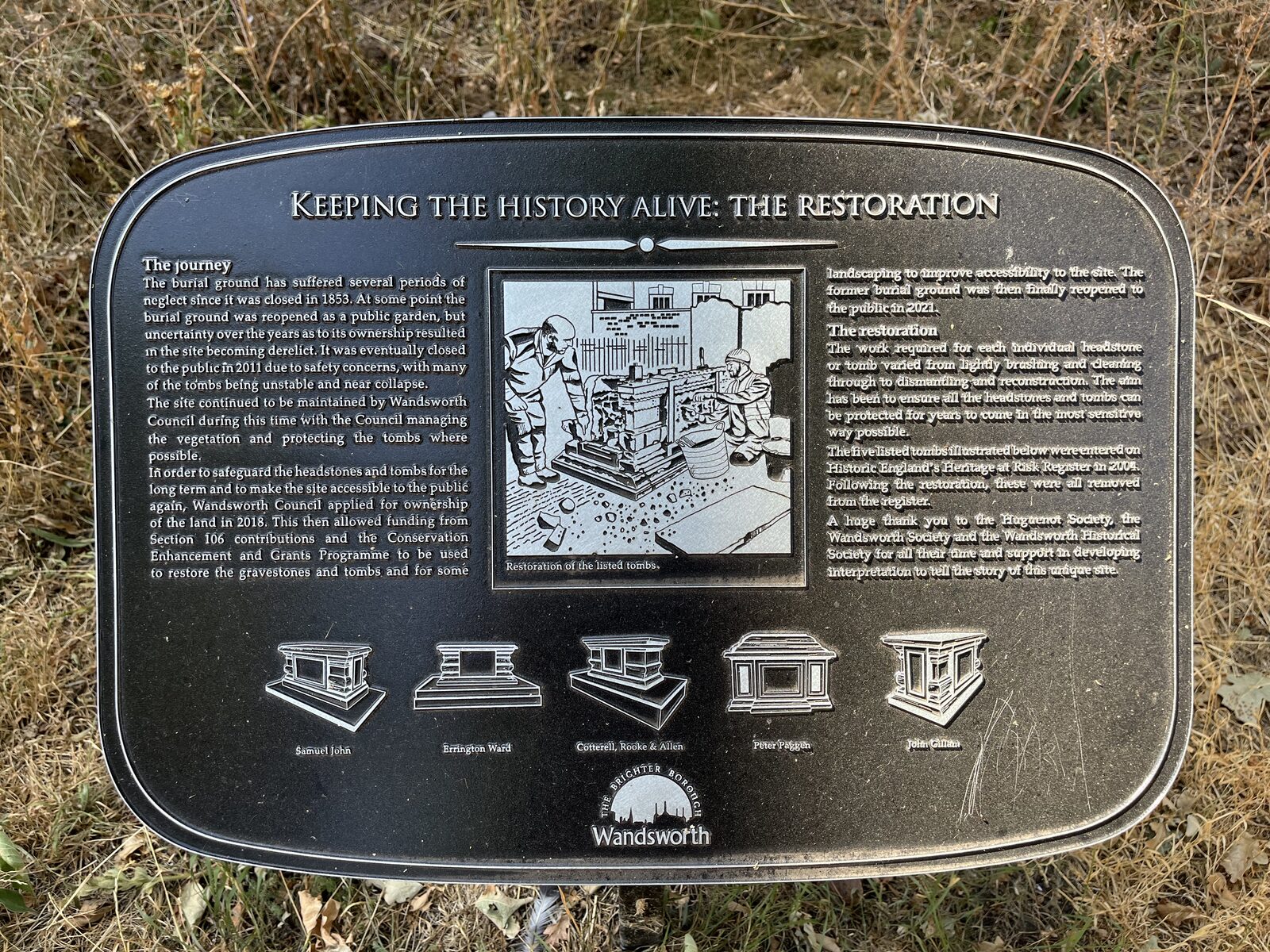
Keeping the History Alive: The Restoration
The journey
The burial ground has suffered several periods of neglect since it was closed in 1853. At some point the burial ground was reopened as a public garden, but uncertainty over the years as to its ownership resulted in the site becoming derelict. It was eventually closed to the public in 2011 due to safety concerns, with many of the tombs being unstable and near collapse.
The site continued to be maintained by Wandsworth Council during this time with the Council managing the vegetation and protecting the tombs where possible.
In order to safeguard the headstones and tombs for the long term and to make the site accessible to the public again, Wandsworth Council applied for ownership of the land in 2018. This then allowed funding from Section 106 contributions and the Conservation Enhancement and Grants Programme to be used to restore the gravestones and tombs and for some landscaping to improve accessibility to the site. The former burial ground was then finally reopened to the public in 2021.
The restoration
The work required for each individual headstone or tomb varied from lightly brushing and cleaning through to dismantling and reconstruction. The aim has been to ensure all the headstones and tombs can be protected for years to come in the most sensitive way possible.
The five listed tombs illustrated below were entered on Historic England's Heritage at Risk Register in 2004. Following the restoration, these were all removed from the register.
A huge thank you to the Huguenot Society, the Wandsworth Society and the Wandsworth Historical Society for all their time and support in developing interpretation to tell the story of this unique site.
The five listed tombs pictured on the panel: Samuel John · Errington Ward · Cotterell, Rooke & Allen · Peter Paggen · John Gillam.
The Individual Memorials
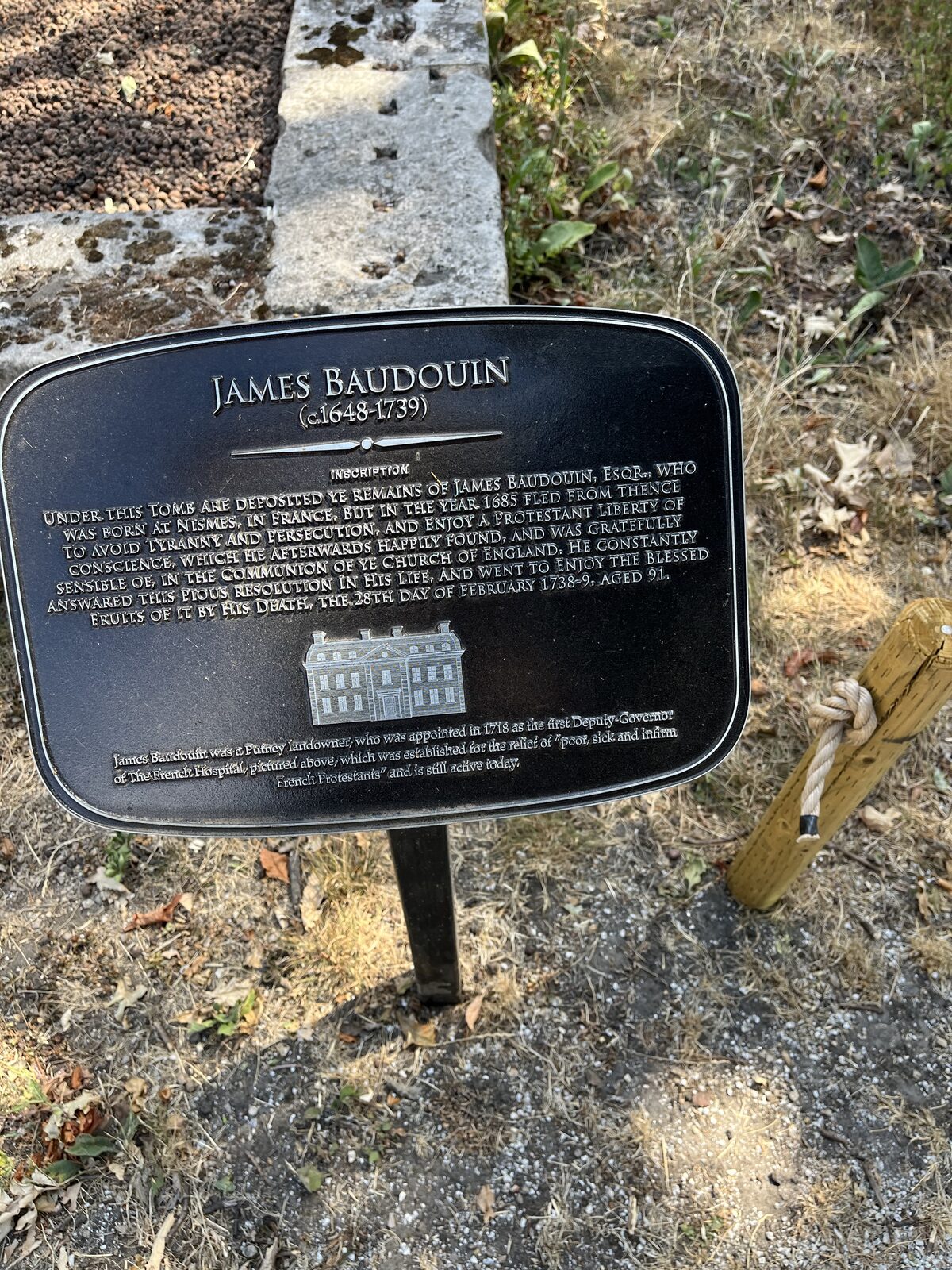
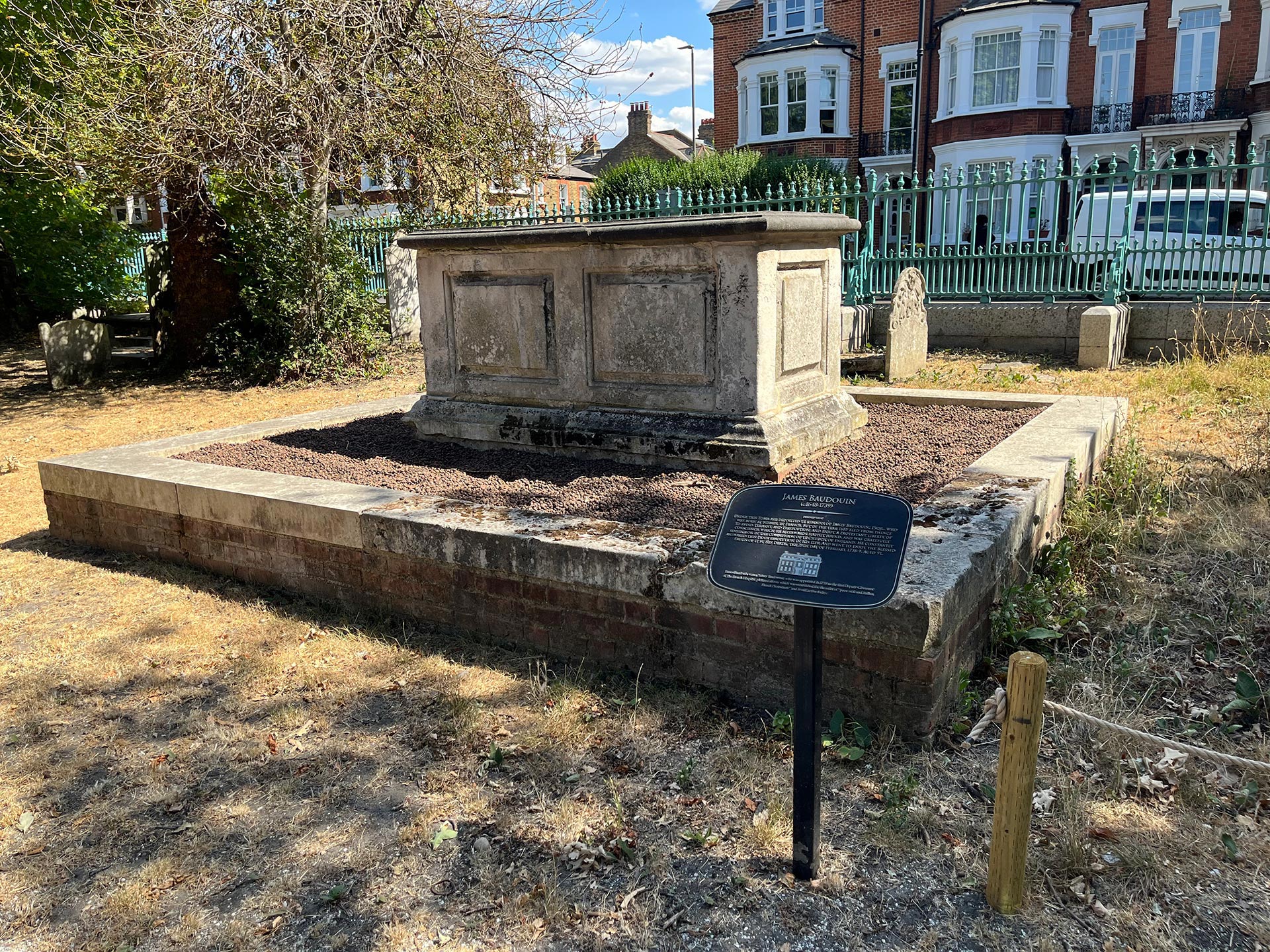
James Baudouin (c.1648–1739)
UNDER THIS TOMB ARE DEPOSITED YE REMAINS OF JAMES BAUDOUIN, ESQR., WHO WAS BORN AT NISMES, IN FRANCE, BUT IN THE YEAR 1685 FLED FROM THENCE TO AVOID TYRANNY AND PERSECUTION, AND ENJOY A PROTESTANT LIBERTY OF CONSCIENCE, WHICH HE AFTERWARDS HAPPILY FOUND, AND WAS GRATEFULLY SENSIBLE OF, IN THE COMMUNION OF YE CHURCH OF ENGLAND. HE CONSTANTLY ANSWARED THIS PIOUS RESOLUTION IN HIS LIFE, AND WENT TO ENJOY THE BLESSED FRUITS OF IT BY HIS DEATH, THE 28TH DAY OF FEBRUARY 1738-9, AGED 91.
James Baudouin was a Putney landowner, who was appointed in 1718 as the first Deputy-Governor of The French Hospital, pictured on the plaque, which was established for the relief of "poor, sick and infirm French Protestants" and is still active today.
James Baudouin
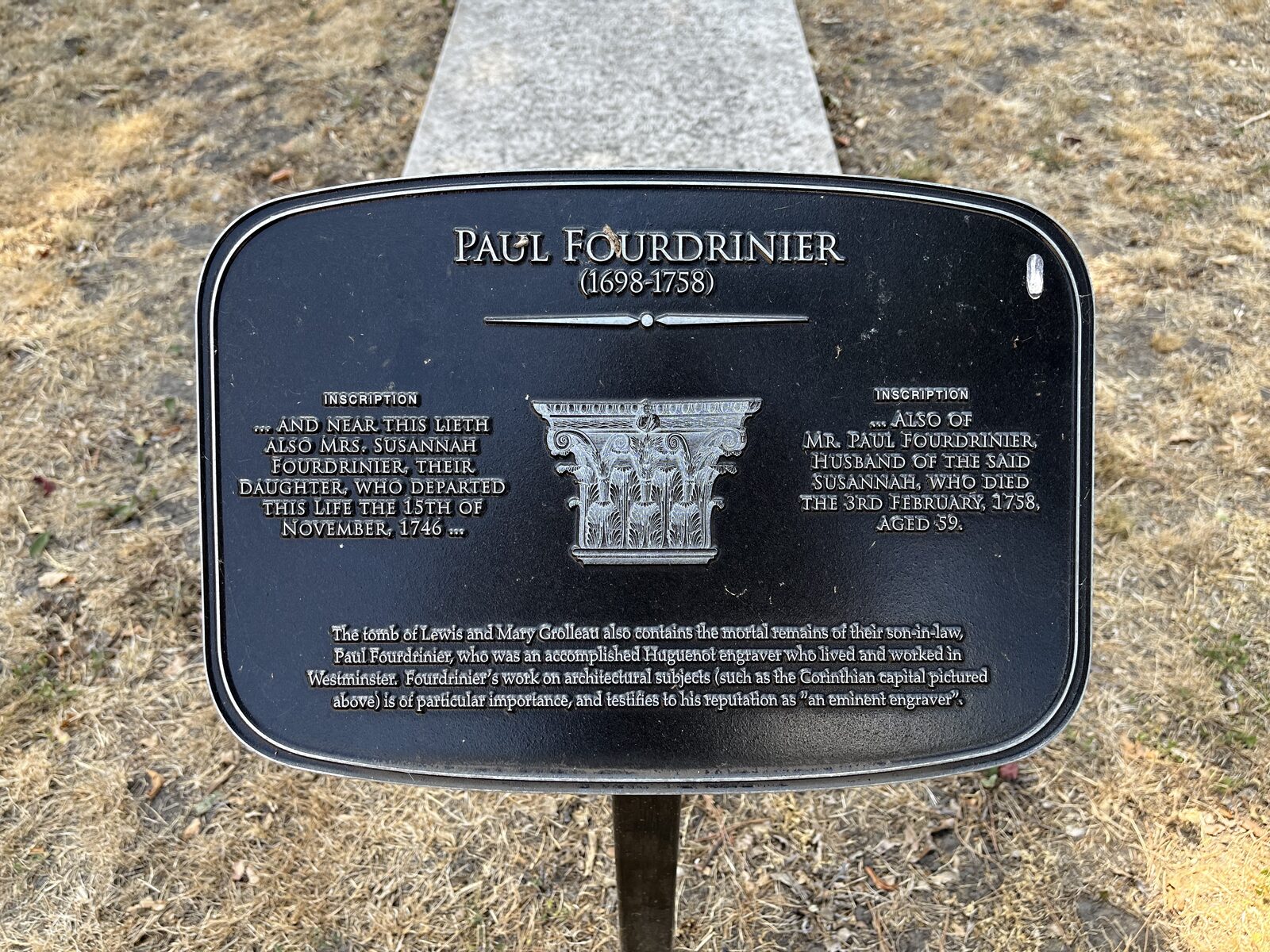
Paul Fourdrinier (1698–1758)
… AND NEAR THIS LIETH ALSO MRS. SUSANNAH FOURDRINIER, THEIR DAUGHTER, WHO DEPARTED THIS LIFE THE 15TH OF NOVEMBER, 1746 …
… ALSO OF MR. PAUL FOURDRINIER, HUSBAND OF THE SAID SUSANNAH, WHO DIED THE 3RD FEBRUARY, 1758, AGED 59.
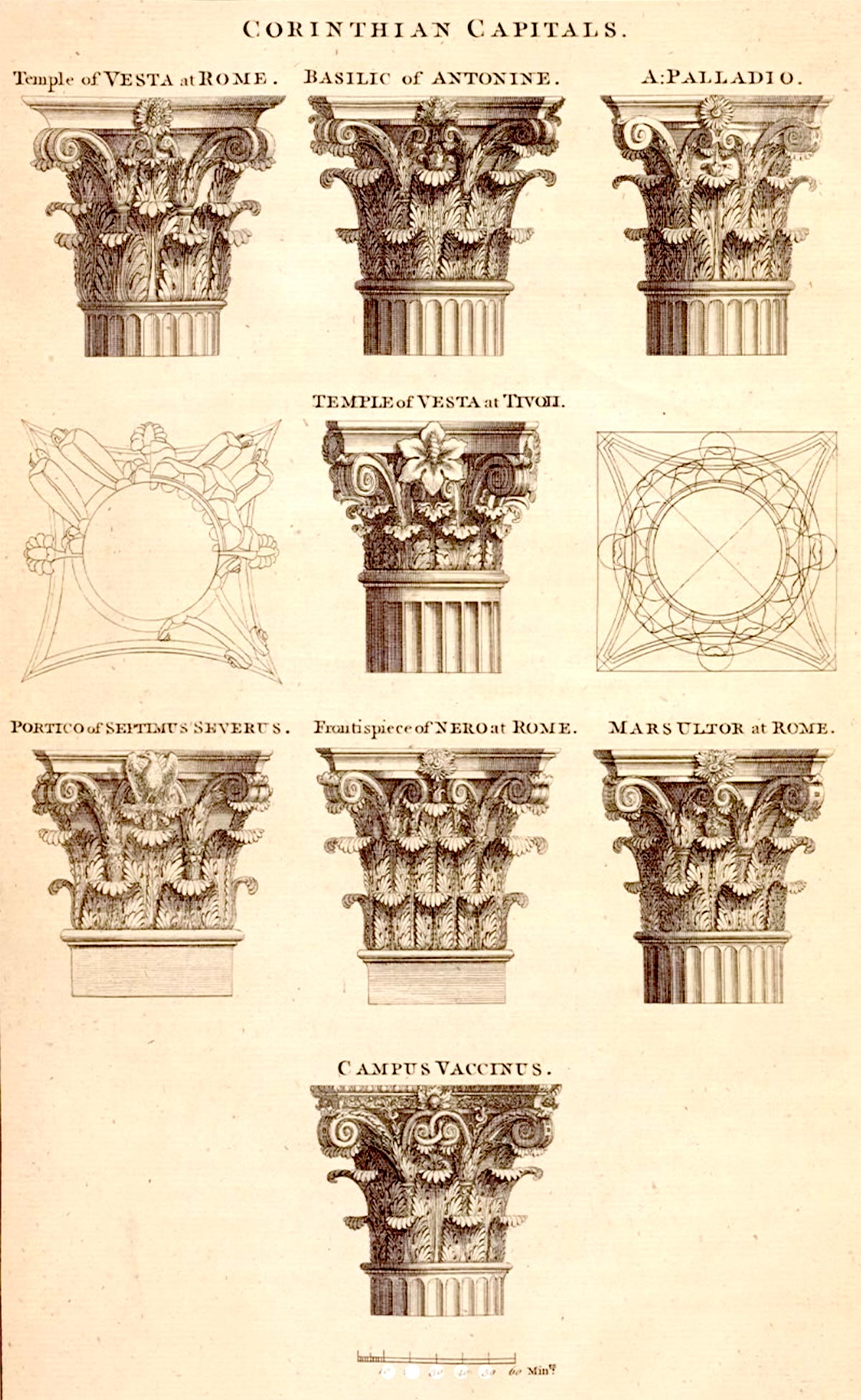
The tomb of Lewis and Mary Grolleau also contains the mortal remains of their son-in-law, Paul Fourdrinier, who was an accomplished Huguenot engraver who lived and worked in Westminster. Fourdrinier's work on architectural subjects (such as the Corinthian capital pictured on the plaque) is of particular importance, and testifies to his reputation as "an eminent engraver".
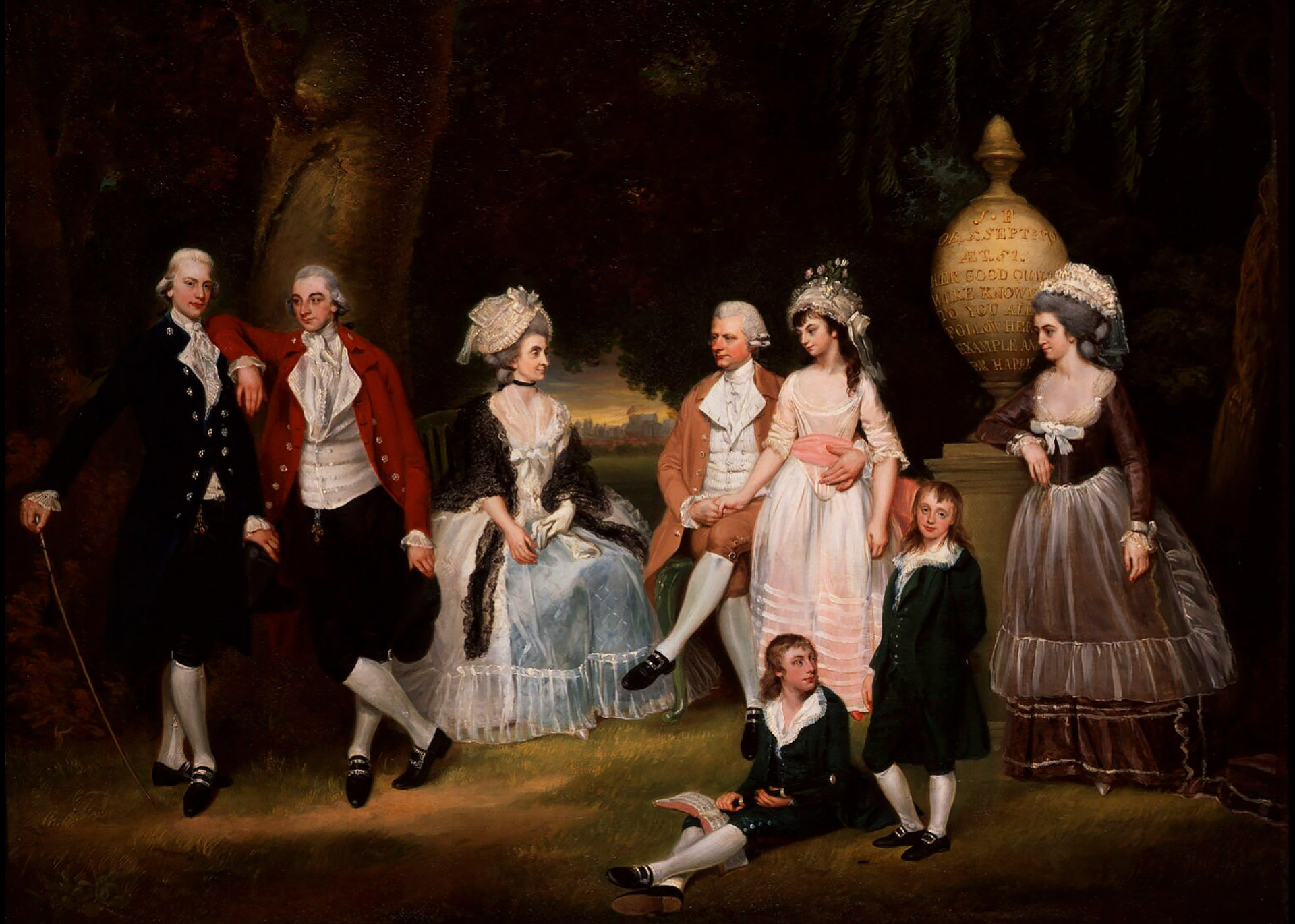
Corinthian capitals engraved by Paul Fourdrinier. New York Public Library Digital Collections..Some of Louis and Mary's descendants are depicted in The Fourdrinier Family, c.1786. Painting attributed to John Dowman, National Portrait Gallery. (More on the illustrious Fourdrinier family to follow.)
Samuel John (1701–1759)
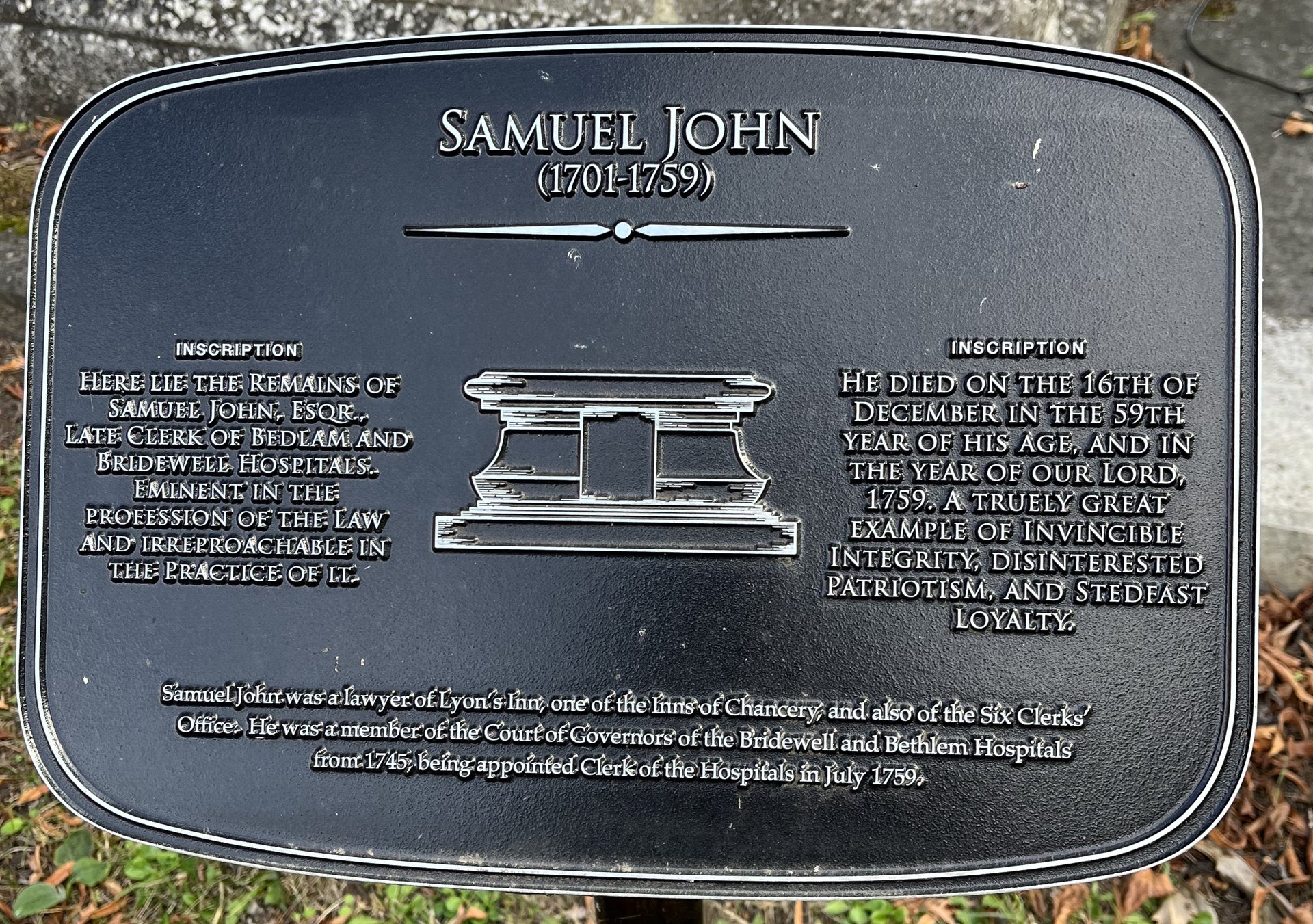
HERE LIE THE REMAINS OF SAMUEL JOHN, ESQR., LATE CLERK OF BEDLAM AND BRIDEWELL HOSPITALS. EMINENT IN THE PROFESSION OF THE LAW AND IRREPROACHABLE IN THE PRACTICE OF IT.
HE DIED ON THE 16TH OF DECEMBER IN THE 59TH YEAR OF HIS AGE, AND IN THE YEAR OF OUR LORD, 1759. A TRUELY GREAT EXAMPLE OF INVINCIBLE INTEGRITY, DISINTERESTED PATRIOTISM, AND STEDFAST LOYALTY.
Samuel John was a lawyer of Lyon’s Inn, one of the Inns of Chancery, and also of the Six Clerks’ Office. He was a member of the Court of Governors of the Bridewell and Bethlem Hospitals from 1745, being appointed Clerk of the Hospitals in July 1759.
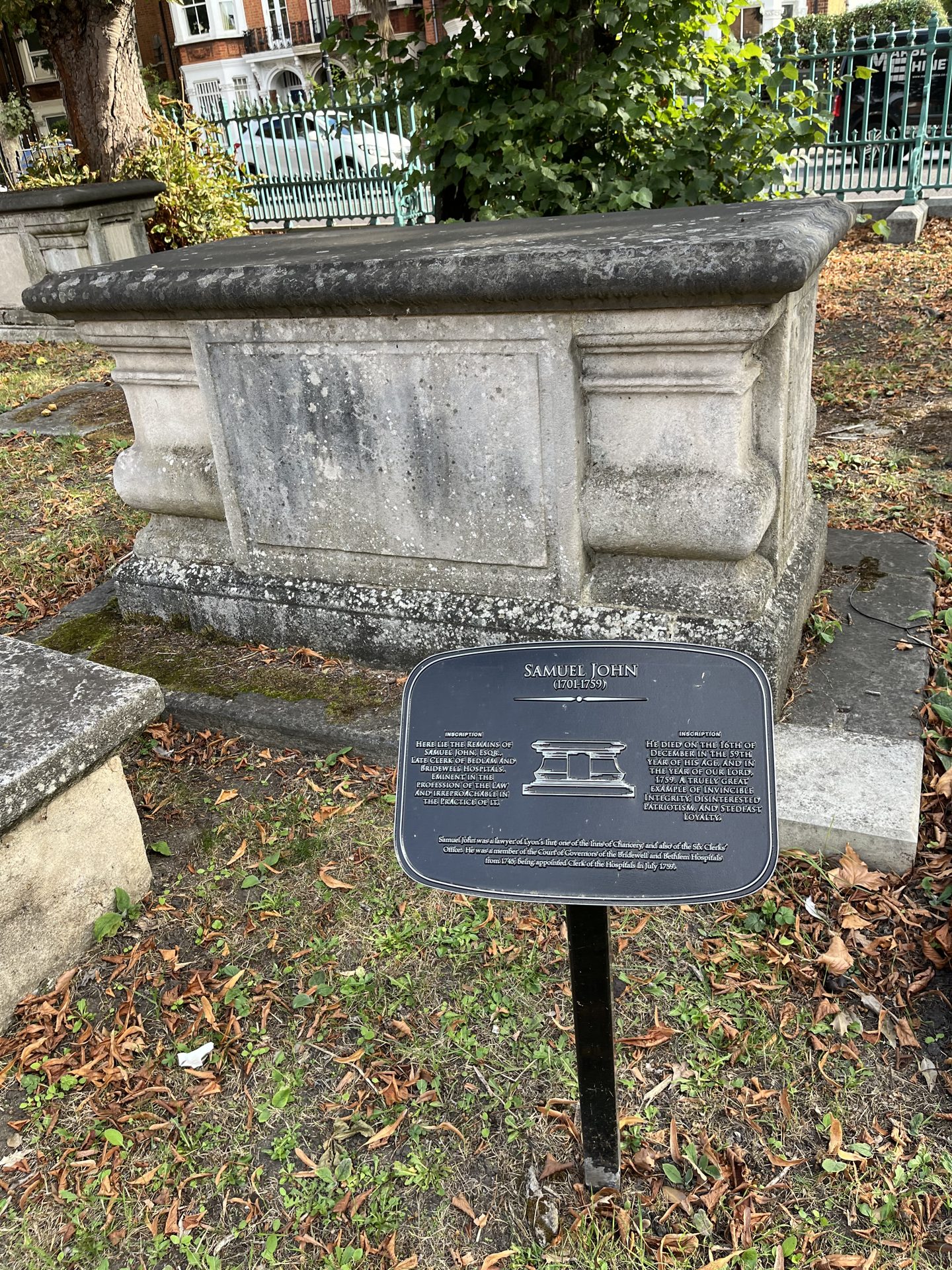
The tomb of Samuel John, photographed in 2026, after restoration. Photo: Philip Boys.
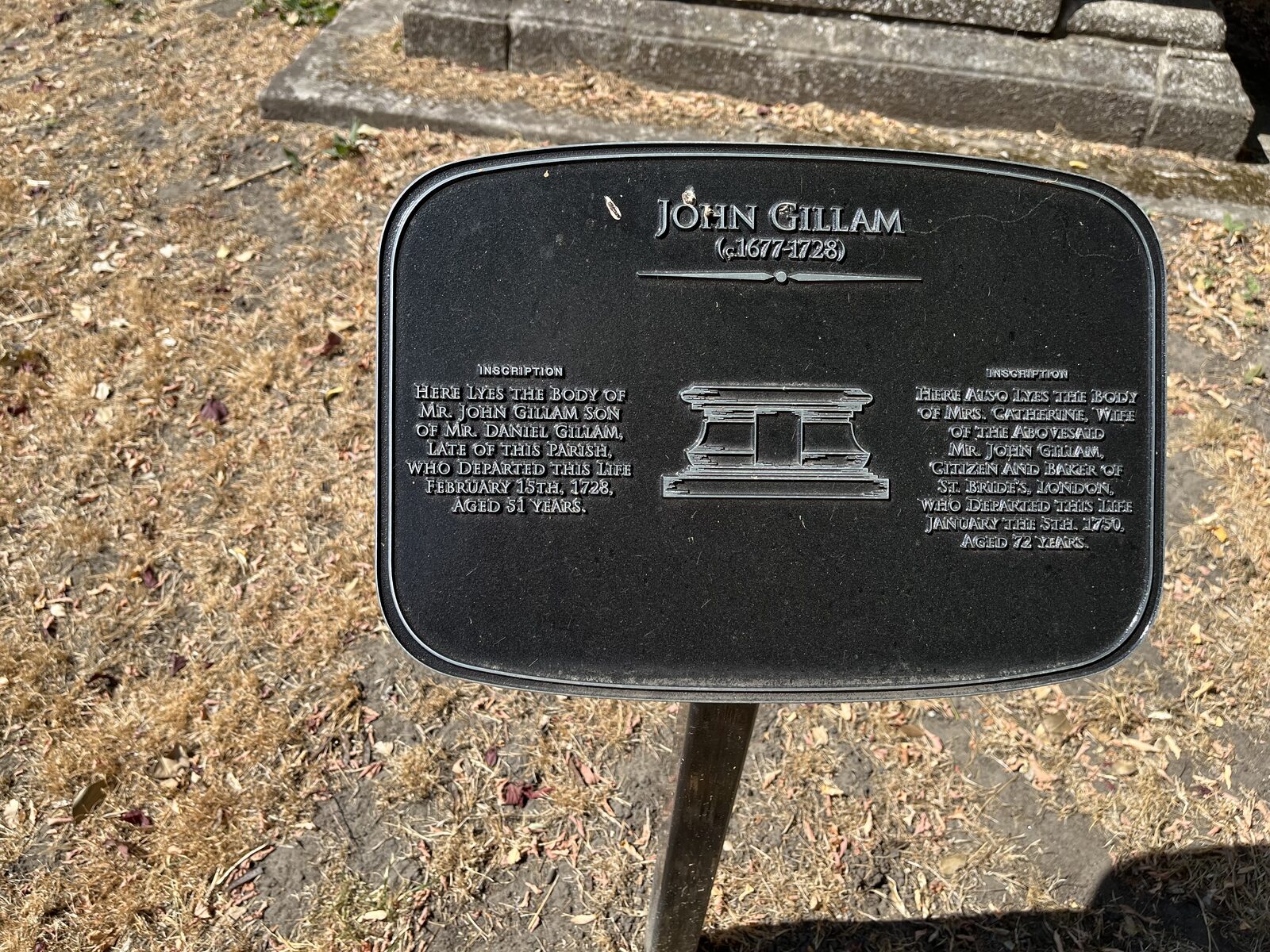
John Gillam (c.1677–1728)
HERE LYES THE BODY OF MR. JOHN GILLAM SON OF MR. DANIEL GILLAM, LATE OF THIS PARISH, WHO DEPARTED THIS LIFE FEBRUARY 15TH, 1728, AGED 51 YEARS.
HERE ALSO LYES THE BODY OF MRS. CATHERINE, WIFE OF THE ABOVESAID MR. JOHN GILLAM, CITIZEN AND BAKER OF ST. BRIDE'S, LONDON, WHO DEPARTED THIS LIFE JANUARY THE 5TH, 1750, AGED 72 YEARS.
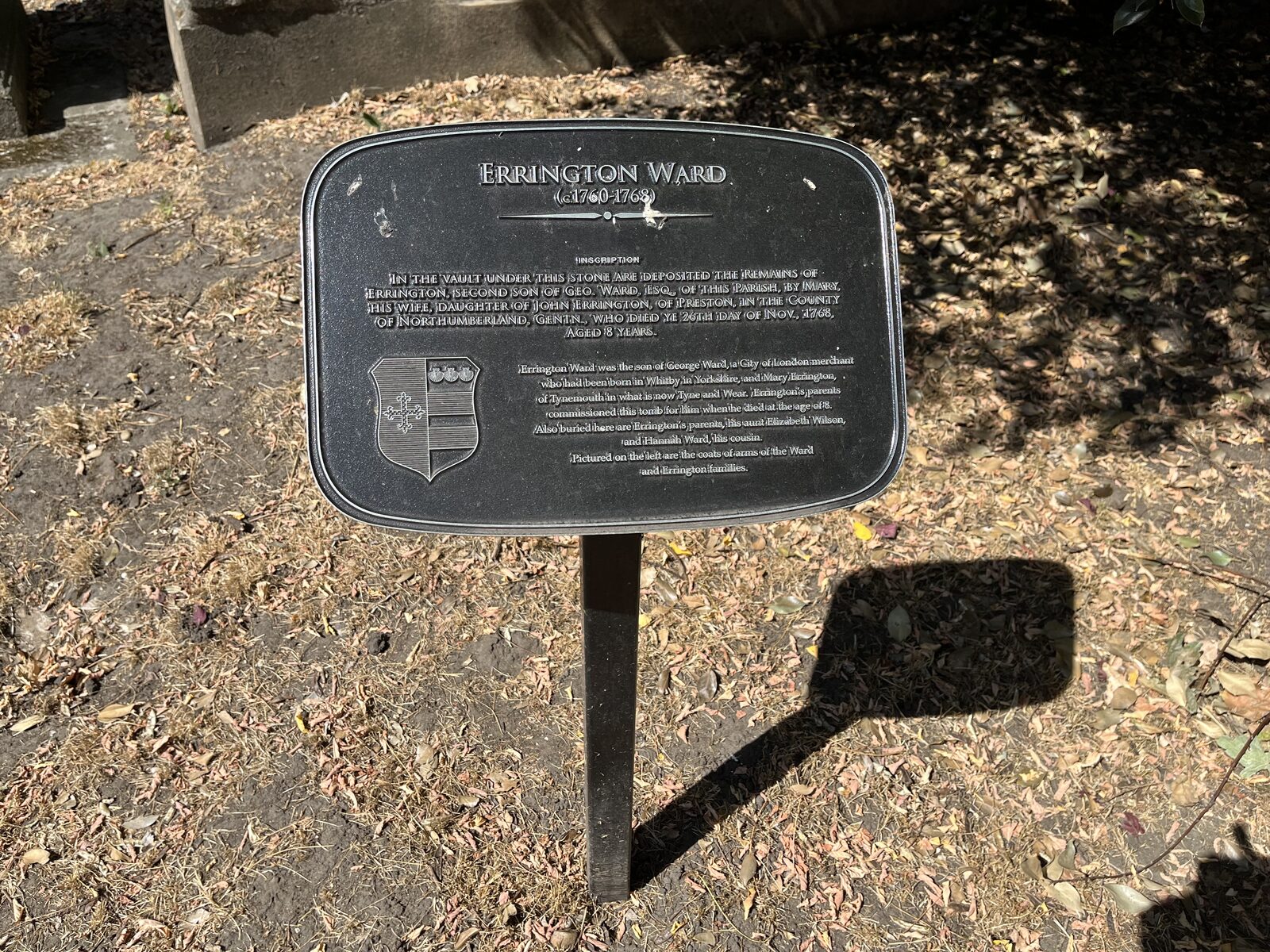
Errington Ward (c.1760–1768)
IN THE VAULT UNDER THIS STONE ARE DEPOSITED THE REMAINS OF ERRINGTON, SECOND SON OF GEO. WARD, ESQ., OF THIS PARISH, BY MARY, HIS WIFE, DAUGHTER OF JOHN ERRINGTON, OF PRESTON, IN THE COUNTY OF NORTHUMBERLAND, GENTN., WHO DIED YE 26TH DAY OF NOV., 1768, AGED 8 YEARS.
Errington Ward was the son of George Ward, a City of London merchant who had been born in Whitby in Yorkshire, and Mary Errington, of Tynemouth in what is now Tyne and Wear. Errington's parents commissioned this tomb for him when he died at the age of 8. Also buried here are Errington's parents, his aunt Elizabeth Wilson, and Hannah Ward, his cousin.
Pictured on the plaque are the coats of arms of the Ward and Errington families.
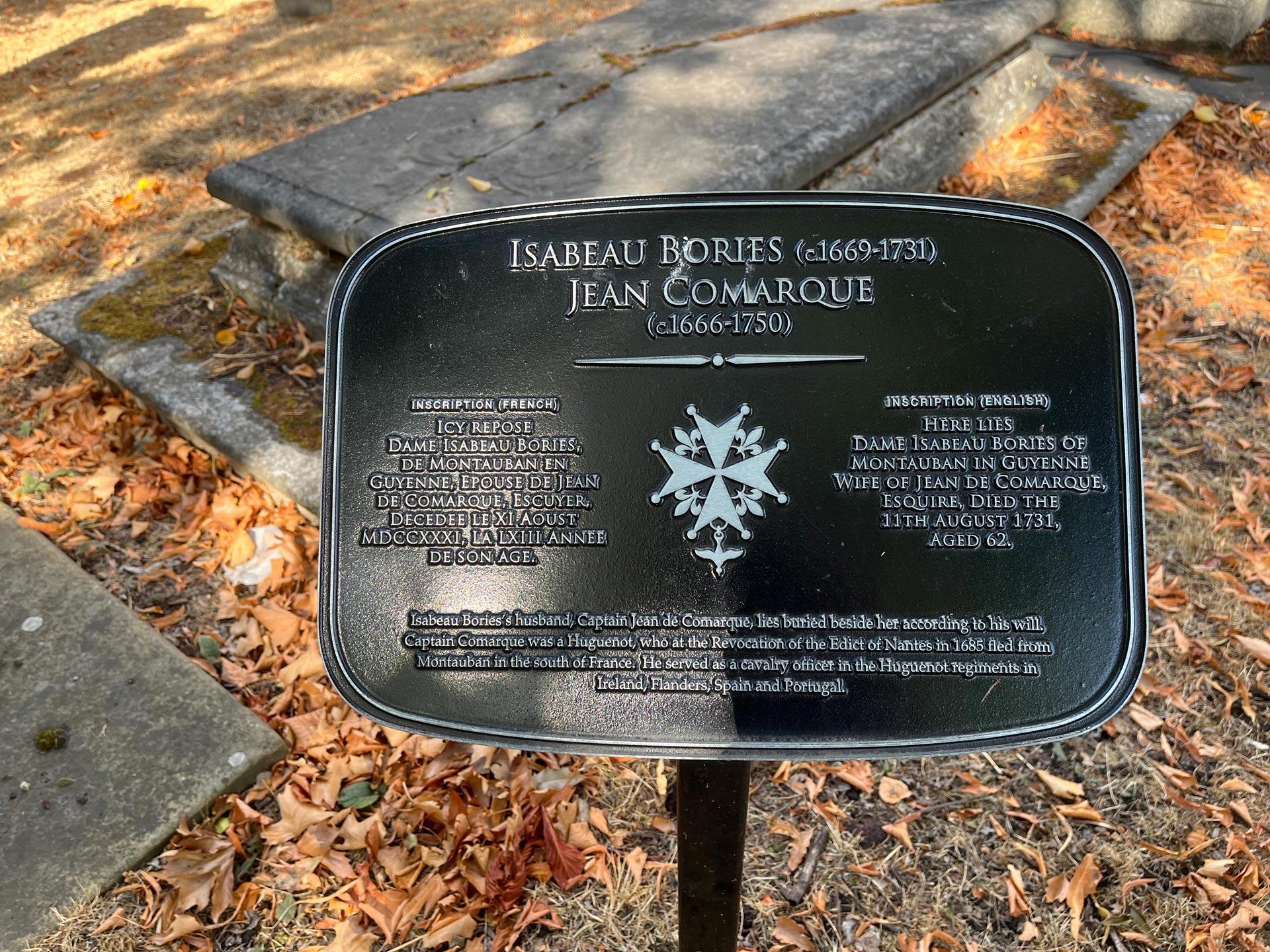
Isabeau Bories (c.1669–1731) and Jean Comarque (c.1666–1750)
ICY REPOSE DAME ISABEAU BORIES, DE MONTAUBAN EN GUYENNE, EPOUSE DE JEAN DE COMARQUE, ESCUYER, DECEDEE LE XI AOUST MDCCXXXI, LA LXIII ANNEE DE SON AGE.
HERE LIES DAME ISABEAU BORIES OF MONTAUBAN IN GUYENNE, WIFE OF JEAN DE COMARQUE, ESQUIRE, DIED THE 11TH AUGUST 1731, AGED 62.
Isabeau Bories's husband, Captain Jean de Comarque, lies buried beside her according to his will. Captain Comarque was a Huguenot, who at the Revocation of the Edict of Nantes in 1685 fled from Montauban in the south of France. He served as a cavalry officer in the Huguenot regiments in Ireland, Flanders, Spain and Portugal.
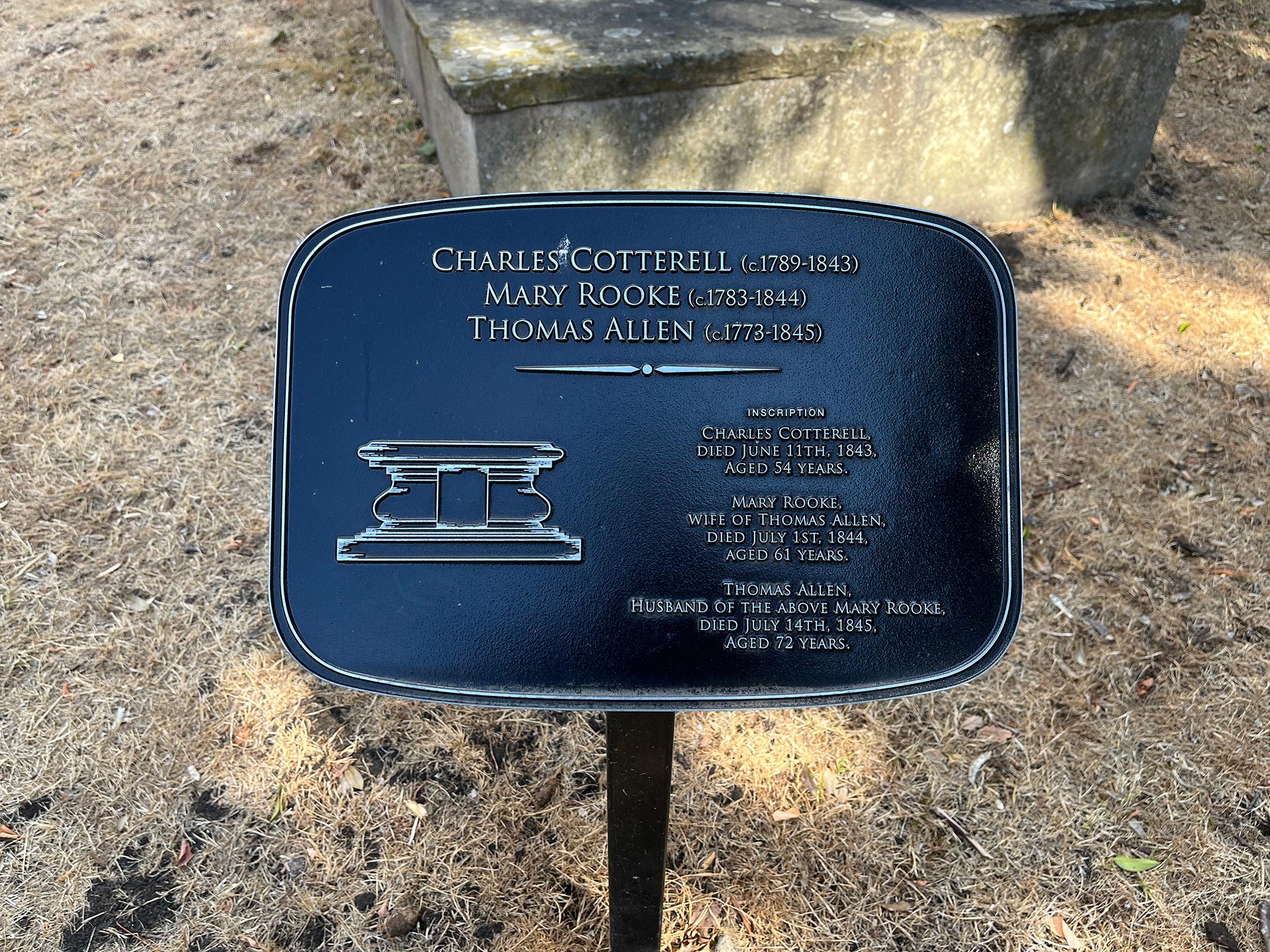
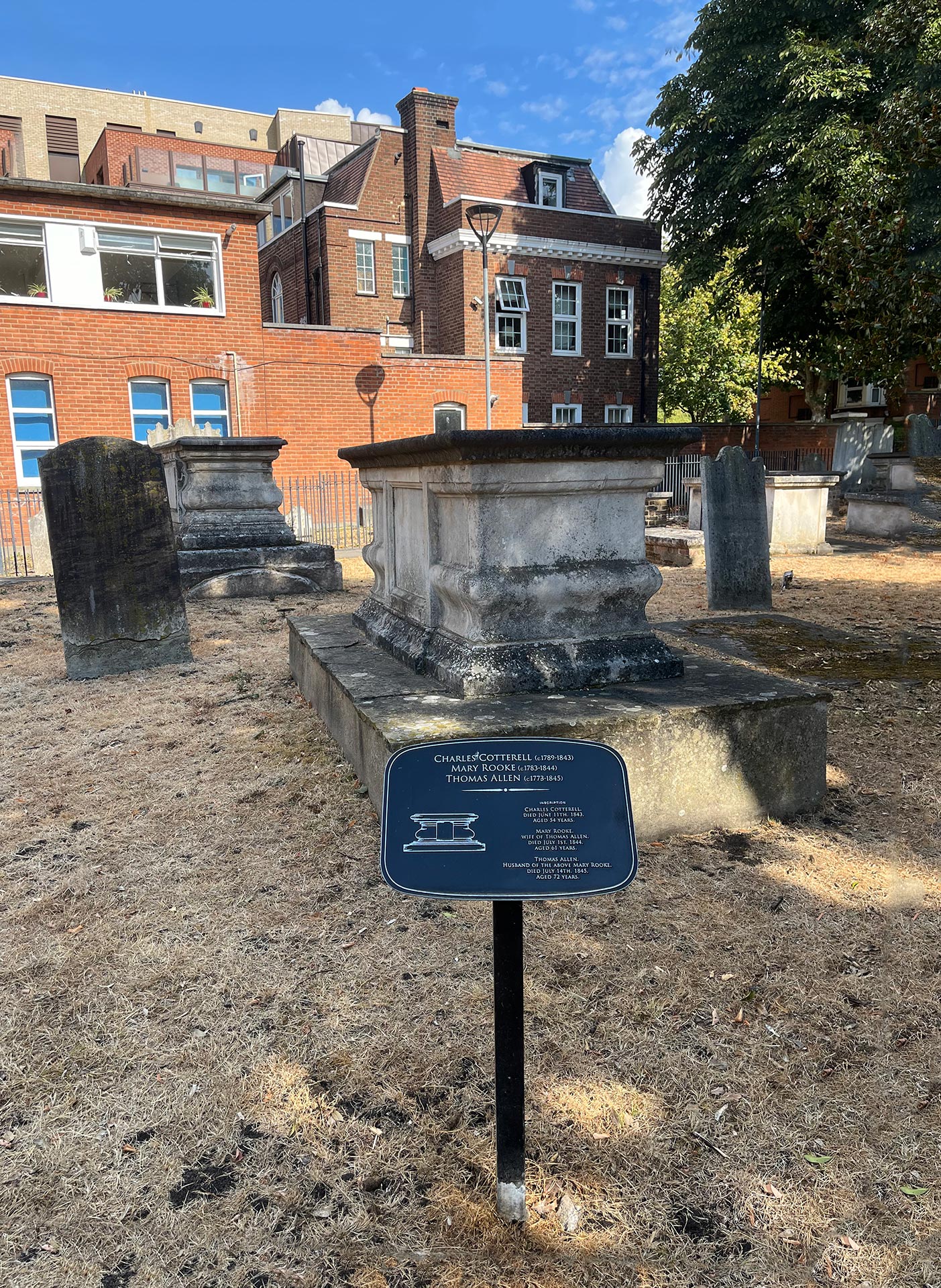
Charles Cotterell (c.1789–1843), Mary Rooke (c.1783–1844) and Thomas Allen (c.1773–1845)
CHARLES COTTERELL, DIED JUNE 11TH, 1843, AGED 54 YEARS.
MARY ROOKE, WIFE OF THOMAS ALLEN, DIED JULY 1ST, 1844, AGED 61 YEARS.
THOMAS ALLEN, HUSBAND OF THE ABOVE MARY ROOKE, DIED JULY 14TH, 1845, AGED 72 YEARS.
This tomb, one of the five listed on the Restoration panel above, holds three burials rather than one. Mary Rooke and Thomas Allen were husband and wife; who exactly Charles Cotterell was to them — family, or simply a fellow parishioner sharing the same plot — the inscription doesn't say.
Notice the house in the background top right, which in the 1920s replaced the one shown in The Graphic illustration. This was the Presbytery (Catholic priest's home) attached to the church next door. We whall return to this later.
Peter Paggen (1651–1720) and Katherine Davis (1654–1724)
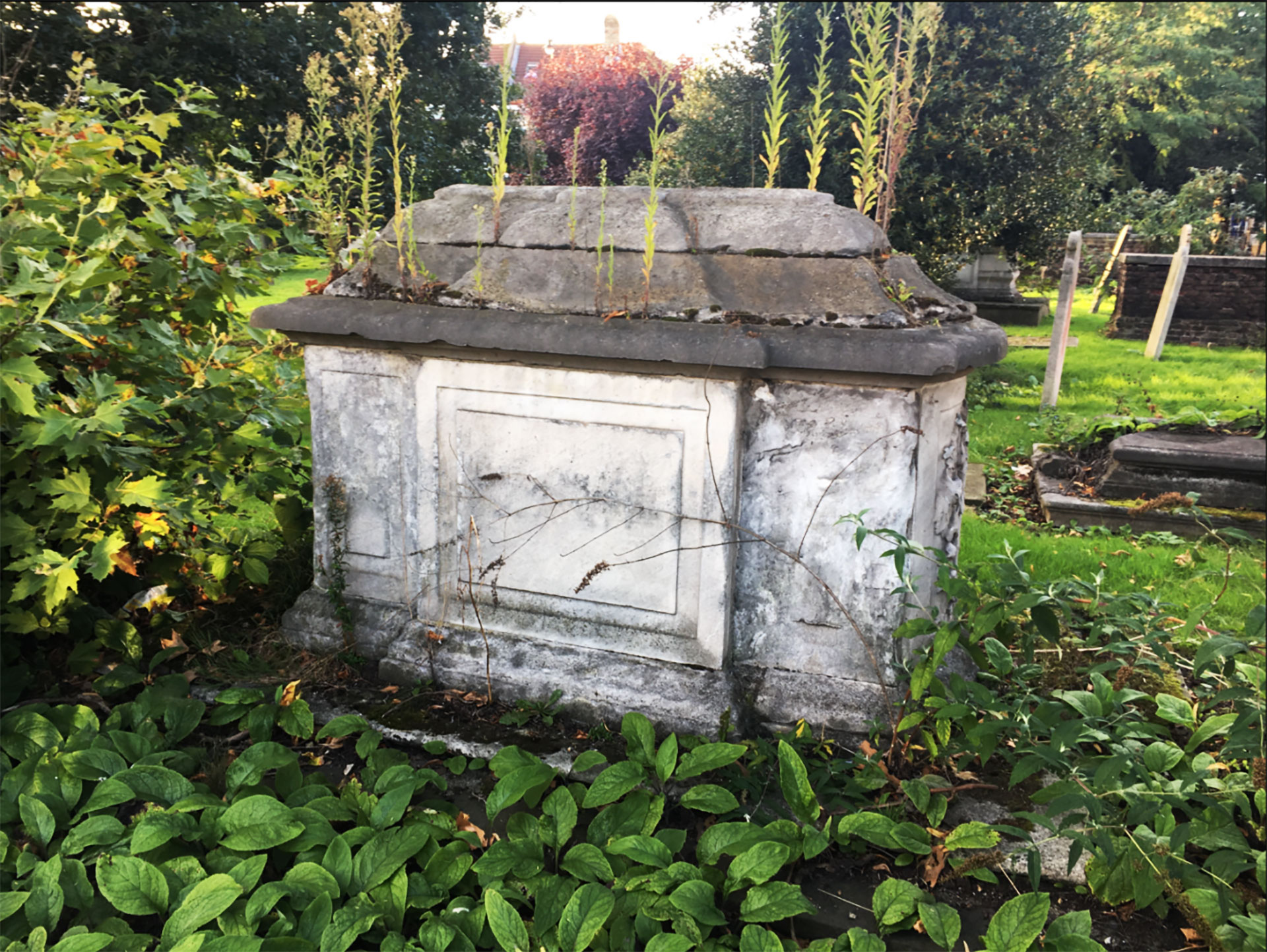
The tomb of Peter Paggen and Katherine Davis photographed in 2017, before restoration. Photo: Historic England (Laura Toal, 6 September 2017).
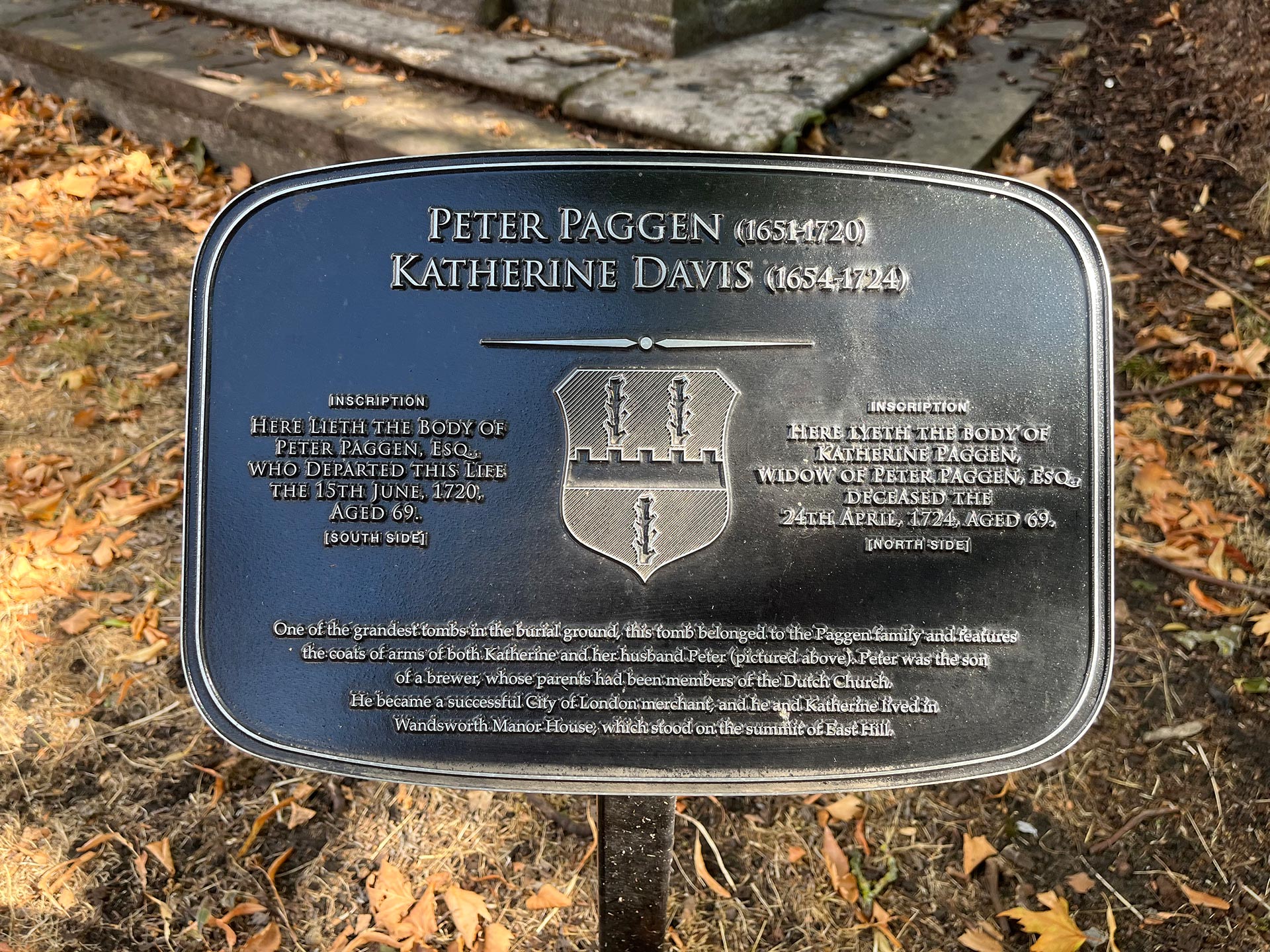
HERE LIETH THE BODY OF PETER PAGGEN, ESQ., WHO DEPARTED THIS LIFE THE 15TH JUNE, 1720, AGED 69. [SOUTH SIDE]
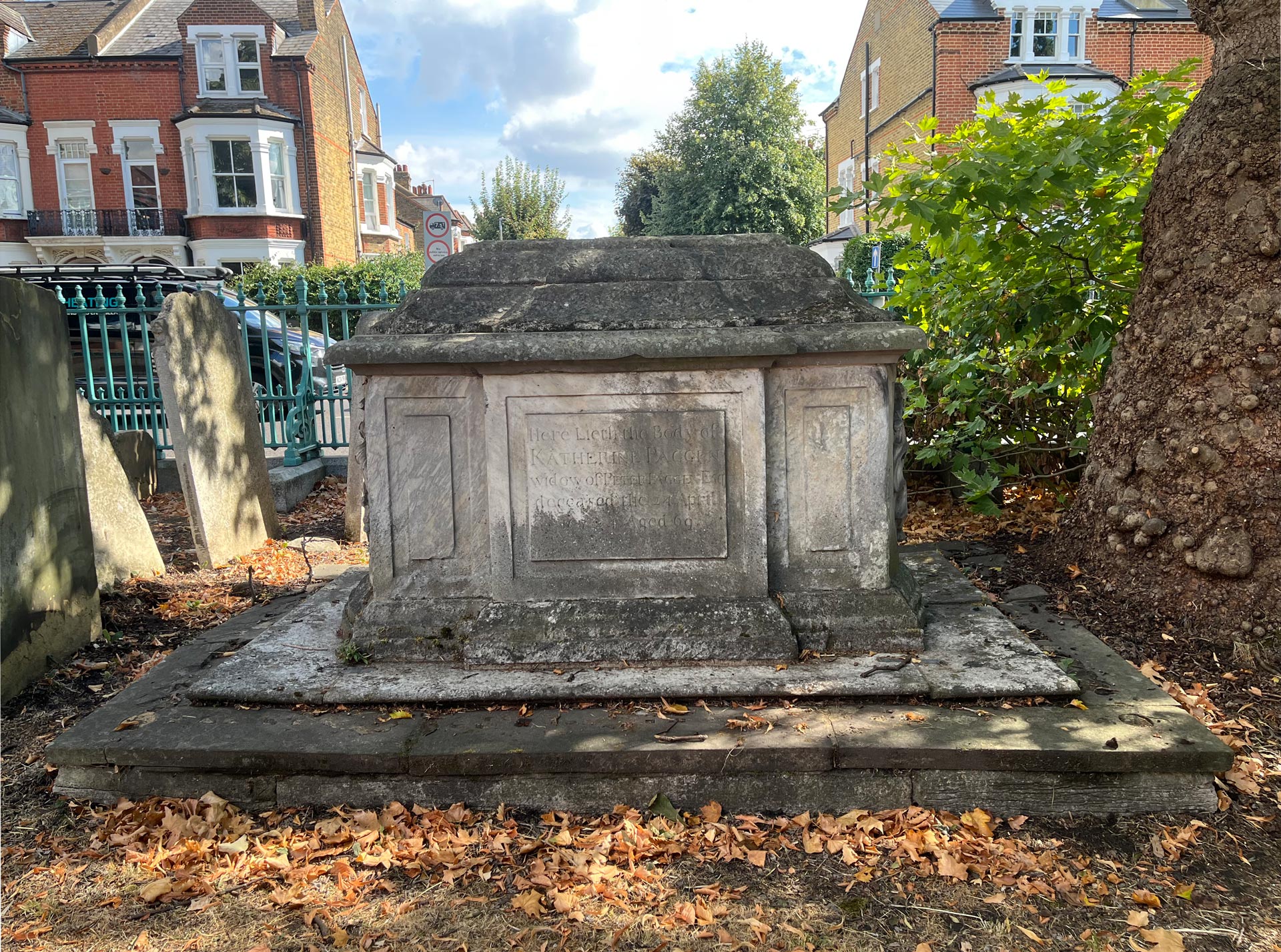
HERE LYETH THE BODY OF KATHERINE PAGGEN, WIDOW OF PETER PAGGEN, ESQ., DECEASED THE 24TH APRIL, 1724, AGED 69. [NORTH SIDE]
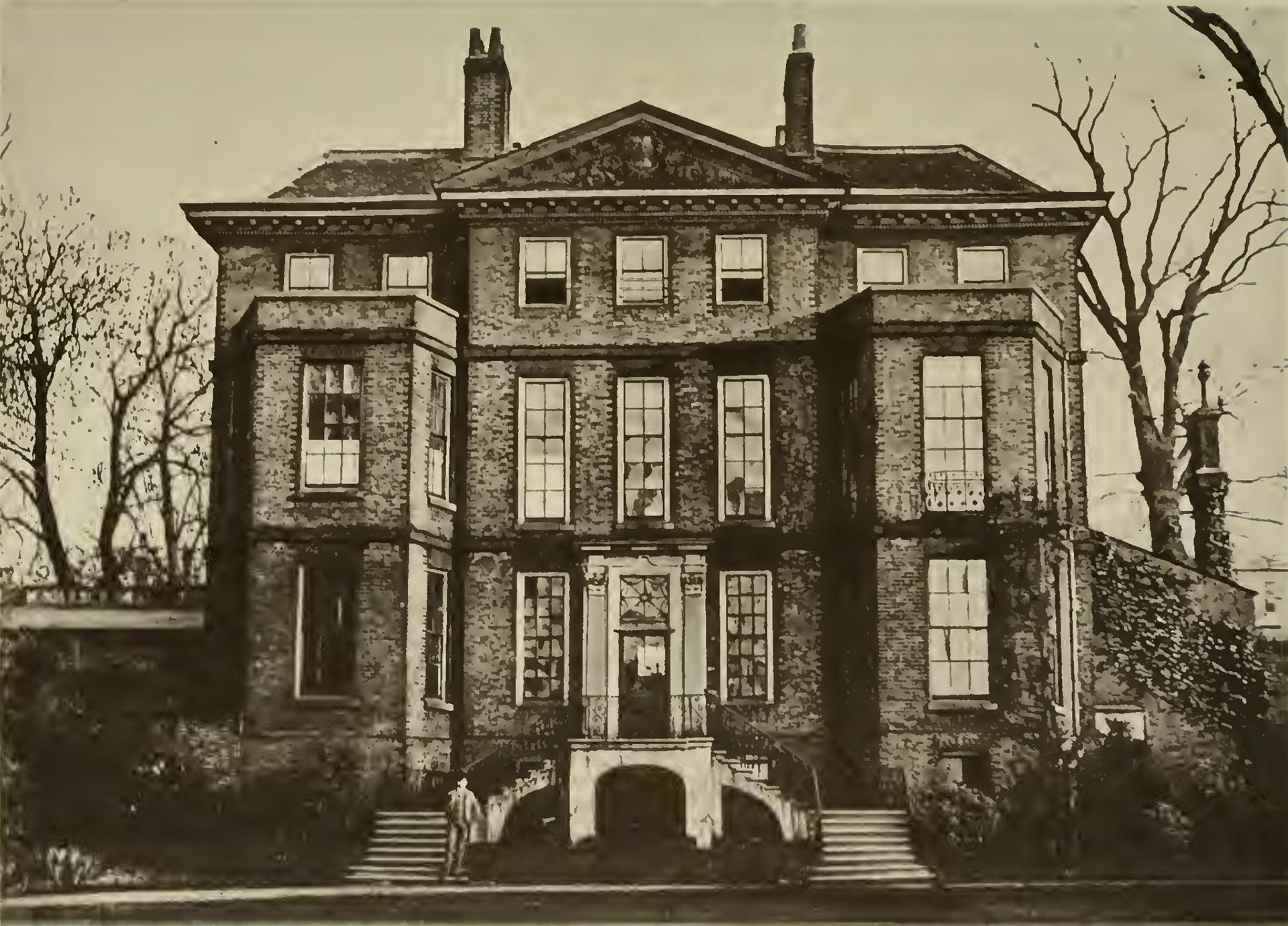
One of the grandest tombs in the burial ground, this table tomb belonged to the Paggen family and features the coats of arms of both Katherine and her husband Peter. Peter was the son of a brewer, whose parents had been members of the Dutch Church. He became a successful City of London merchant, and he and Katherine lived in Wandsworth Manor House, which stood on the summit of East Hill.
Photographed in 2026, after restoratonPeter Paggen's "Manor House", close to Mount Nod. It was demolished between 1882 and 1890. Photo from S.W. Kershaw, [add ref.]Stanford 1891: The Burial Ground and the nearby "Manor House" demolished sometime between 1882 and 1890. The Trinity Road extension goes through its grounds.
There's so much to say about Peter Paggen and Katherine Davis, and their home (the so-called "Wandsworth Manor House". They easily deserve their own dedicated page(s). Coming soon.
Elizabeth Vanderhoven (d. 1749/50)
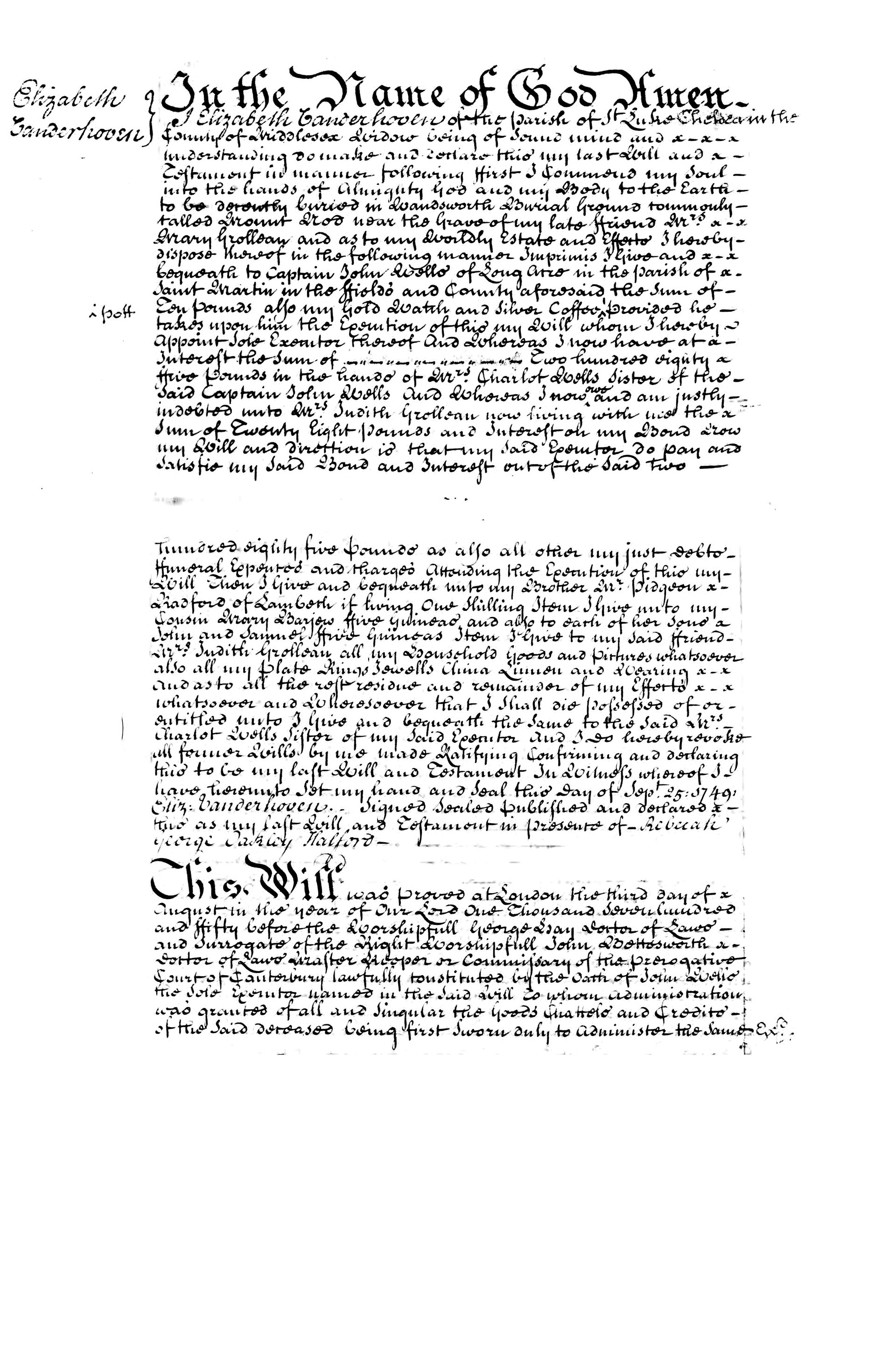
Elizabeth Vanderhoven’s will, signed 25 September 1749, proved 3 August 1750 — found by Philip among unrelated papers in September 2026, not through any survey of the burial ground. (Full transcription and commentary.)
…TO BE DECENTLY BURIED IN WANDSWORTH BURIAL GROUND COMMONLY CALLED MOUNT NOD, NEAR THE GRAVE OF MY LATE FRIEND MRS MARY GROLLEAU…
Unlike everyone else on this page, Elizabeth Vanderhoven has no surviving plaque or memorial here, and her own parish, as the will states, was St Luke, Chelsea, not Wandsworth. She asked to be buried at Mount Nod purely out of friendship, “near the grave of my late friend Mrs Mary Grolleau” — almost certainly the same Mary Grolleau, wife of Lewis Grolleau, whose tomb (above) also holds their son-in-law Paul Fourdrinier. Elizabeth’s own bequests support the connection: she leaves her household goods and pictures to a “Mrs Judith Grolleau, now living with me,” very likely another member of the same family, though I haven’t traced the exact relationship. Her executor, Captain John Wells of Long Acre, and his sister Charlot Wells, between them hold her money at interest and inherit the residue of her estate; a single shilling, pointedly, is all that goes to her own brother, “Mr Pidgeon [Bradford?] of Lambeth, if living.”
[PB/Claude, 10 September 2026: Why doesn’t this will turn up in Squire’s own famously thorough 1886 survey of the burial ground? Because that survey, like everything else on this page, recorded what still stood on site — inscriptions, tombs, monuments. Elizabeth Vanderhoven’s will was proved far away, at the Prerogative Court of Canterbury in London, and filed under her home parish of Chelsea, not Wandsworth. Nothing about her connection to Mount Nod survives except this one document; if she was ever given a stone here, it hasn’t survived either. No burial-ground survey, however careful, was ever going to catch her — only stumbling on the will itself would.]
The probate clause names two real historical figures. John Bettesworth, Doctor of Laws, had been Dean of the Arches and Master of the Prerogative Court of Canterbury continuously since 1710, and authorised this grant less than a year before his own death in 1751 — so Elizabeth’s affairs were settled in very nearly the last twelve months of his forty-year tenure. The Surrogate who actually sat and granted probate, George Lee, succeeded Bettesworth as Dean of the Arches that same year, and by 1751 was also serving as treasurer to Augusta, Dowager Princess of Wales, following the death of her husband Frederick.
[PB/Claude, 10 September 2026: One loose thread worth flagging rather than quietly tidying away — the will gives Elizabeth’s parish as “St Luke, Chelsea,” but Chelsea’s own St Luke’s church wasn’t built until the 1820s; in 1749 the parish church would have been what’s now called Chelsea Old Church. Either there’s an earlier use of the name I don’t know about, or it’s worth a careful re-check against the original manuscript. Also still open, and none of it confirmed by search (unavailable when most of this was compiled): the exact PROB 11 catalogue reference at the National Archives, the precise Grolleau family relationships, and who Captain John Wells and “Mr Pidgeon [Bradford?] of Lambeth” actually were. John Bettesworth’s and George Lee’s dates and offices above are confirmed from Wikipedia’s “Dean of the Arches” list and the "John Bettesworth" article (accessed 10 September 2026); the Augusta/Princess-of-Wales detail is from a separate Wikipedia page on a “Sir George Lee” whose dates match but who I haven’t 100% confirmed is the same man.]
The Wandsworth Society’s mulberry tree
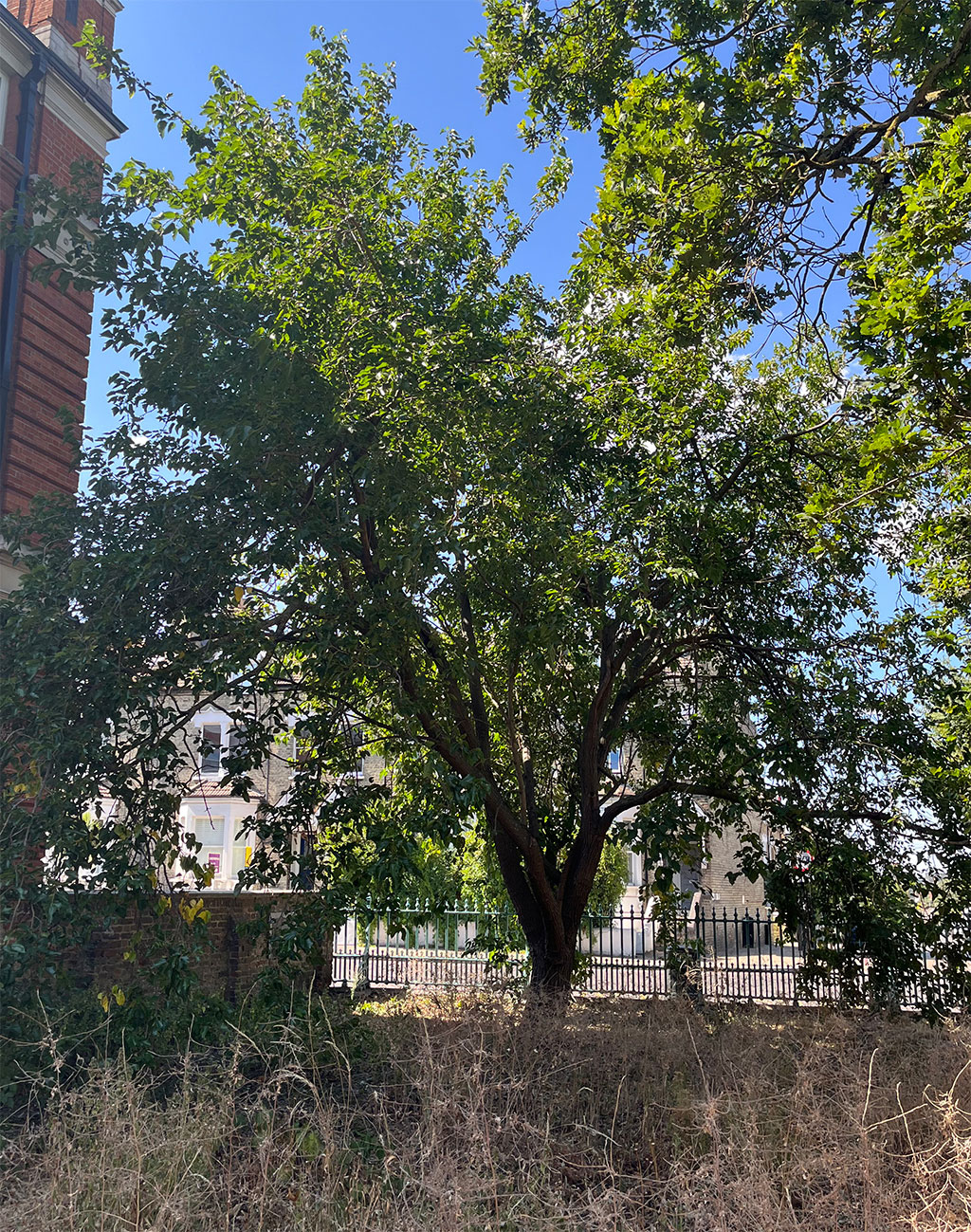
I also located the Black Mulberry (Morus nigra) tree planted in 1985 by the Wandsworth Society to commemorate the three-hundredth anniversary of the Revocation of the Edict of Nantes that brought Huguenots to Wandsworth.
It was good to see that it's alive and well in the top left corner of the burial ground. (I intend to write about mulberry trees in August 2026's Chronicles.)

 … AND NEAR THIS LIETH ALSO MRS. SUSANNAH FOURDRINIER, THEIR DAUGHTER, WHO DEPARTED THIS LIFE THE 15TH OF NOVEMBER, 1746 …… ALSO OF MR. PAUL FOURDRINIER, HUSBAND OF THE SAID SUSANNAH, WHO DIED THE 3RD FEBRUARY, 1758, AGED 59.